
AlphaFold predicted structure
OXR1 · Q8N573
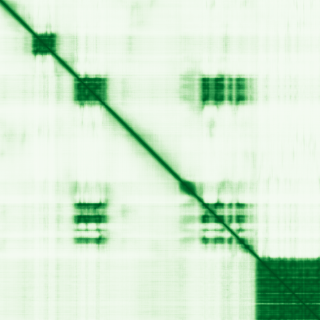
Mean pLDDT
59.7/ 100
Low
874 residues
Confidence breakdown
- Very high(≥ 90)25%
- Confident(70–90)14%
- Low(50–70)12%
- Very low(< 50)50%
Open interactive 3D viewer
AlphaFold (Jumper et al., 2021) · CC BY 4.0
oxidation resistance 1
Annotations refreshed 3 months ago.
Diagnostic Grade (Green)
DDG2P
BIALLELIC, autosomal or pseudoautosomalEarly onset or syndromic epilepsy
BIALLELIC, autosomal or pseudoautosomalIntellectual disability
BIALLELIC, autosomal or pseudoautosomalMonogenic hearing loss
BIALLELIC, autosomal or pseudoautosomalisolated cerebellar hypoplasia/agenesis
alcohol drinking
androgenetic alopecia
spinal cord injury
breast cancer
DNA methylation
inborn disorder of amino acid metabolism
Hearing impairment
stroke disorder
gastroparesis
Score is the Open Targets composite evidence score (0-1). Higher = stronger gene-disease association.
Orexin/Hypocretin receptor type 1
G protein-coupled receptor that binds the neuropeptide orexin-A with high affinity, and orexin-B with lower affinity, two peptides derived from a common precursor, prepro-orexin (PubMed:32669442, PubMed:9491897). Its activity is mediated via a G(q)-protein-coupled pathway, which activates the phosphatidylinositol-calcium second messenger system in response to orexin-A binding (PubMed:32669442). In addition to G(q)-mediated signaling, orexin-A stimulation also promotes beta-arrestin recruitment, leading to receptor internalization (PubMed:15683363, PubMed:32669442). Plays a significant role in the regulation of food intake (By similarity)
OXR1 · Q8N573
Mean pLDDT
59.7/ 100
Low
874 residues
Confidence breakdown
AlphaFold (Jumper et al., 2021) · CC BY 4.0