Skip to content
GenoLensGenoLens

PABPC1

Chr 8q22.3

poly(A) binding protein cytoplasmic 1

Aliases:
PABP1, PABPL1
MANE:
ENST00000318607.10

Annotations refreshed 9 hours ago.

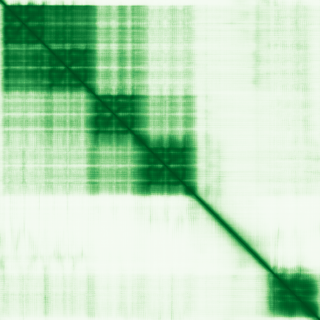
Predicted protein structure

Clinical relevance (Genomics England PanelApp)

Diagnostic Grade (Green)

  • Early onset or syndromic epilepsy

    MONOALLELIC, autosomal or pseudoautosomal, NOT imprinted
  • Intellectual disability

    MONOALLELIC, autosomal or pseudoautosomal, NOT imprinted
  • DDG2P

    MONOALLELIC, autosomal or pseudoautosomal, imprinted status unknown

Disease associations (Open Targets)

  • Intellectual disability

    0.53
  • Global developmental delay

    0.47
  • Expressive language delay

    0.46
  • Atypical behavior

    0.46
  • Seizure

    0.46
  • neurodegenerative disease

    0.46
  • hepatocellular carcinoma

    0.43
  • plasma cell myeloma

    0.42
  • dengue disease

    0.37
  • Pulmonary artery atresia

    0.33

Score is the Open Targets composite evidence score (0-1). Higher = stronger gene-disease association.

Protein function (UniProt)

Polyadenylate-binding protein 1

Binds the poly(A) tail of mRNA, including that of its own transcript, and regulates processes of mRNA metabolism such as pre-mRNA splicing and mRNA stability (PubMed:11051545, PubMed:17212783, PubMed:25480299). Its function in translational initiation regulation can either be enhanced by PAIP1 or repressed by PAIP2 (PubMed:11051545, PubMed:20573744). Can probably bind to cytoplasmic RNA sequences other than poly(A) in vivo. Binds to N6-methyladenosine (m6A)-containing mRNAs and contributes to MYC stability by binding to m6A-containing MYC mRNAs (PubMed:32245947). Involved in translationally coupled mRNA turnover (PubMed:11051545). Implicated with other RNA-binding proteins in the cytoplasmic deadenylation/translational and decay interplay of the FOS mRNA mediated by the major coding-region determinant of instability (mCRD) domain (PubMed:11051545). Involved in regulation of nonsense-mediated decay (NMD) of mRNAs containing premature stop codons; for the recognition of premature termination codons (PTC) and initiation of NMD a competitive interaction between UPF1 and PABPC1 with the ribosome-bound release factors is proposed (PubMed:18447585). By binding to long poly(A) tails, may protect them from uridylation by ZCCHC6/ZCCHC11 and hence contribute to mRNA stability (PubMed:25480299)

Data sources: HGNC (CC BY 4.0), AlphaFold (CC BY 4.0, Jumper et al. Nature 2021), Genomics England PanelApp (CC BY 4.0), ClinGen, Open Targets (CC0), UniProt.

Not for sole clinical decision-making. Always verify against primary sources.