AlphaFold predicted structure
PARS2 · Q7L3T8
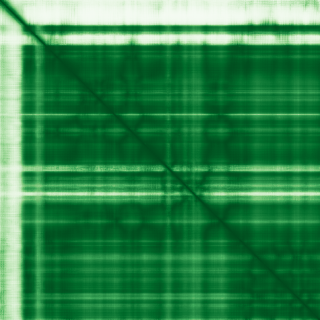
Mean pLDDT
88.2/ 100
Confident
475 residues
Confidence breakdown
- Very high(≥ 90)79%
- Confident(70–90)10%
- Low(50–70)2%
- Very low(< 50)10%
AlphaFold (Jumper et al., 2021) · CC BY 4.0
prolyl-tRNA synthetase 2, mitochondrial
Annotations refreshed 9 hours ago.
Diagnostic Grade (Green)
DDG2P
BIALLELIC, autosomal or pseudoautosomalEarly onset or syndromic epilepsy
BIALLELIC, autosomal or pseudoautosomalLikely inborn error of metabolism
BIALLELIC, autosomal or pseudoautosomalMitochondrial disorders
BIALLELIC, autosomal or pseudoautosomalPossible mitochondrial disorder - nuclear genes
BIALLELIC, autosomal or pseudoautosomalChildhood onset dystonia, chorea or related movement disorder
genetic developmental and epileptic encephalopathy
neurodegenerative disease
Alpers syndrome
hereditary disease
undetermined early-onset epileptic encephalopathy
Abnormality of the gastrointestinal tract
adolescent idiopathic scoliosis
mitochondrial disease
inborn mitochondrial metabolism disorder
myoepithelial tumor
Score is the Open Targets composite evidence score (0-1). Higher = stronger gene-disease association.
Probable proline--tRNA ligase, mitochondrial
Mitochondrial aminoacyl-tRNA synthetase that catalyzes the specific attachment of the proline amino acid (aa) to the homologous transfer RNA (tRNA), further participating in protein synthesis. The reaction occurs in a two steps: proline is first activated by ATP to form Pro-AMP and then transferred to the acceptor end of tRNA(Pro)
PARS2 · Q7L3T8

Mean pLDDT
88.2/ 100
Confident
475 residues
Confidence breakdown
AlphaFold (Jumper et al., 2021) · CC BY 4.0