
AlphaFold predicted structure
PC · P11498
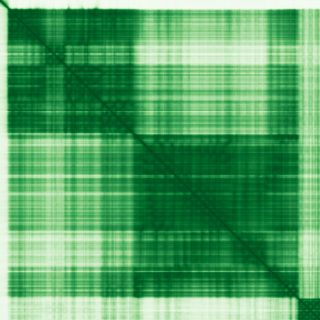
Mean pLDDT
90.4/ 100
Very high
1,178 residues
Confidence breakdown
- Very high(≥ 90)71%
- Confident(70–90)25%
- Low(50–70)2%
- Very low(< 50)3%
Open interactive 3D viewer
AlphaFold (Jumper et al., 2021) · CC BY 4.0
pyruvate carboxylase
Annotations refreshed 2 months ago.
Diagnostic Grade (Green)
DDG2P
BIALLELIC, autosomal or pseudoautosomalFetal anomalies
BIALLELIC, autosomal or pseudoautosomalHyperammonaemia
BIALLELIC, autosomal or pseudoautosomalIntellectual disability
BIALLELIC, autosomal or pseudoautosomalKetotic hypoglycaemia
BIALLELIC, autosomal or pseudoautosomalLikely inborn error of metabolism
BIALLELIC, autosomal or pseudoautosomalMitochondrial disorders
BIALLELIC, autosomal or pseudoautosomalPossible mitochondrial disorder - nuclear genes
BIALLELIC, autosomal or pseudoautosomal+2 more panels — install the extension to see the full list inline on any page.
pyruvate carboxylase deficiency disease
Congenital lactic acidosis
pyruvate carboxylase deficiency, infantile form
pyruvate carboxylase deficiency, benign type
pyruvate carboxylase deficiency, severe neonatal type
Global developmental delay
ocular hypotension
thrombophilia due to protein C deficiency, autosomal recessive
thrombophilia due to protein C deficiency, autosomal dominant
exostosis
Score is the Open Targets composite evidence score (0-1). Higher = stronger gene-disease association.
Pyruvate carboxylase, mitochondrial
Pyruvate carboxylase catalyzes a 2-step reaction, involving the ATP-dependent carboxylation of the covalently attached biotin in the first step and the transfer of the carboxyl group to pyruvate in the second. Catalyzes in a tissue specific manner, the initial reactions of glucose (liver, kidney) and lipid (adipose tissue, liver, brain) synthesis from pyruvate
PC · P11498
Mean pLDDT
90.4/ 100
Very high
1,178 residues
Confidence breakdown
AlphaFold (Jumper et al., 2021) · CC BY 4.0