Skip to content
GenoLensGenoLens

PCYT2

Chr 17q25.3

phosphate cytidylyltransferase 2, ethanolamine

Aliases:
ET
MANE:
ENST00000538936.7

Annotations refreshed 10 hours ago.

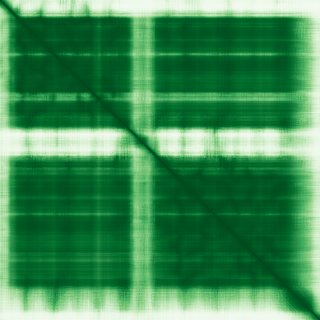
Predicted protein structure

Clinical relevance (Genomics England PanelApp)

Diagnostic Grade (Green)

  • Adult onset hereditary spastic paraplegia

    BIALLELIC, autosomal or pseudoautosomal
  • Childhood onset hereditary spastic paraplegia

    BIALLELIC, autosomal or pseudoautosomal
  • DDG2P

    BIALLELIC, autosomal or pseudoautosomal
  • Early onset or syndromic epilepsy

    BIALLELIC, autosomal or pseudoautosomal
  • Hereditary spastic paraplegia

    BIALLELIC, autosomal or pseudoautosomal
  • Intellectual disability

    BIALLELIC, autosomal or pseudoautosomal
  • Hereditary neuropathy or pain disorder

    BIALLELIC, autosomal or pseudoautosomal
  • Likely inborn error of metabolism

    BIALLELIC, autosomal or pseudoautosomal

Disease associations (Open Targets)

  • spastic paraplegia 82, autosomal recessive

    0.77
  • complex hereditary spastic paraplegia

    0.55
  • neurodegenerative disease

    0.54
  • Global developmental delay

    0.46
  • Intellectual disability

    0.46
  • Spastic paraparesis

    0.46
  • Seizure

    0.46
  • Developmental regression

    0.46
  • Cerebral atrophy

    0.46
  • Cerebellar atrophy

    0.46

Score is the Open Targets composite evidence score (0-1). Higher = stronger gene-disease association.

Protein function (UniProt)

Ethanolamine-phosphate cytidylyltransferase

Ethanolamine-phosphate cytidylyltransferase that catalyzes the second step in the synthesis of phosphatidylethanolamine (PE) from ethanolamine via the CDP-ethanolamine pathway (PubMed:31637422, PubMed:9083101). Phosphatidylethanolamine is a dominant inner-leaflet phospholipid in cell membranes, where it plays a role in membrane function by structurally stabilizing membrane-anchored proteins, and participates in important cellular processes such as cell division, cell fusion, blood coagulation, and apoptosis (PubMed:9083101)

Data sources: HGNC (CC BY 4.0), AlphaFold (CC BY 4.0, Jumper et al. Nature 2021), Genomics England PanelApp (CC BY 4.0), ClinGen, Open Targets (CC0), UniProt.

Not for sole clinical decision-making. Always verify against primary sources.