
AlphaFold predicted structure
PERP · Q96FX8
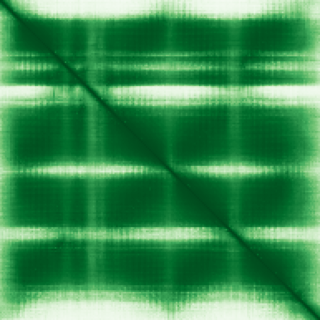
Mean pLDDT
82.3/ 100
Confident
193 residues
Confidence breakdown
- Very high(≥ 90)42%
- Confident(70–90)34%
- Low(50–70)20%
- Very low(< 50)4%
Open interactive 3D viewer
AlphaFold (Jumper et al., 2021) · CC BY 4.0
p53 apoptosis effector related to PMP22
Annotations refreshed 2 months ago.
Diagnostic Grade (Green)
Ichthyosis and erythrokeratoderma
BOTH monoallelic and biallelic, autosomal or pseudoautosomalPalmoplantar keratodermas
BOTH monoallelic and biallelic, autosomal or pseudoautosomalerythrokeratodermia variabilis et progressiva 7
Olmsted syndrome 2
Olmsted syndrome 1
ichthyosis
Olmsted syndrome
tinea pedis
hereditary disease
erythrokeratodermia variabilis
esophageal ulcer
neoplasm
Score is the Open Targets composite evidence score (0-1). Higher = stronger gene-disease association.
p53 apoptosis effector related to PMP-22
Component of intercellular desmosome junctions (By similarity). Plays a role in stratified epithelial integrity and cell-cell adhesion by promoting desmosome assembly (By similarity). Thereby plays a role in barrier function of the skin against infection (By similarity). Plays a role in mammary epithelial tissue homeostasis and remodeling during and after pregnancy, potentially via its involvement in desmosome cell-cell junctions (By similarity). Required for tooth enamel development via facilitating desmosome-mediated ameloblast adhesion to the stratum intermedium during the transitional stage of amelogenesis (By similarity). May also play a role in downstream transcriptional regulation of other genes involved in amelogenesis such as AMBN, ENAM, MMP20 and KLK4 (By similarity). Plays a role as an effector in the TP53-dependent apoptotic pathway (By similarity). Positively regulates apoptosis in T-helper 17 (Th17) cell populations via caspase-dependent signaling (By similarity). Promotes neutrophil transepithelial migration in response to chemoattractants such as hepoxilin A3 (HXA3), N-Formylmethionyl-leucyl-phenylalanine (fMLP) and CXCL8/IL-8 (PubMed:25486861). Required for neutrophil transepithelial migration in response to S.typhimurium infection (PubMed:25486861). May act as a positive regulator of endothelial cell apoptosis in response to blood flow-derived shear stress (By similarity)
PERP · Q96FX8
Mean pLDDT
82.3/ 100
Confident
193 residues
Confidence breakdown
AlphaFold (Jumper et al., 2021) · CC BY 4.0