Skip to content
GenoLensGenoLens

PEX10

Chr 1p36.32

peroxisomal biogenesis factor 10

Aliases:
RNF69
MANE:
ENST00000447513.7

Annotations refreshed 1 month ago.

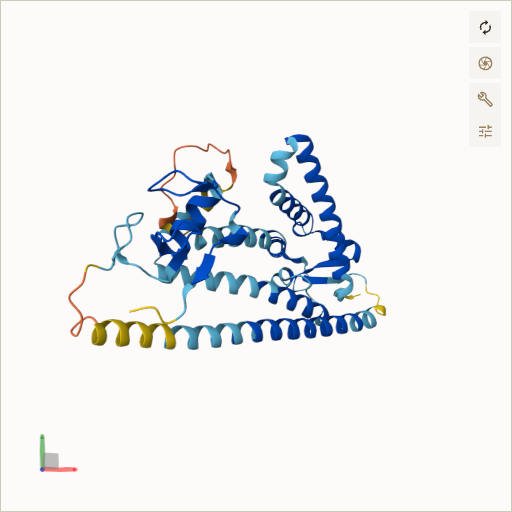
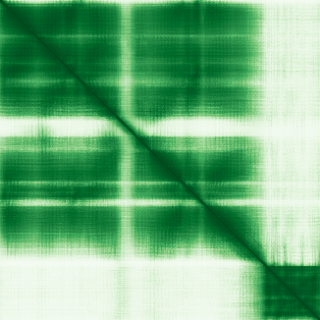
Predicted protein structure

Clinical relevance (Genomics England PanelApp)

Diagnostic Grade (Green)

  • Adult onset leukodystrophy

    BIALLELIC, autosomal or pseudoautosomal
  • Arthrogryposis

    BIALLELIC, autosomal or pseudoautosomal
  • Bilateral congenital or childhood onset cataracts

    BIALLELIC, autosomal or pseudoautosomal
  • DDG2P

    BIALLELIC, autosomal or pseudoautosomal
  • Fetal anomalies

    BIALLELIC, autosomal or pseudoautosomal
  • Fetal hydrops

    BIALLELIC, autosomal or pseudoautosomal
  • Hereditary neuropathy

    BIALLELIC, autosomal or pseudoautosomal
  • Hereditary neuropathy or pain disorder

    BIALLELIC, autosomal or pseudoautosomal

+12 more panels — install the extension to see the full list inline on any page.

Disease associations (Open Targets)

  • peroxisome biogenesis disorder 6B

    0.81
  • Zellweger syndrome

    0.79
  • Peroxisome biogenesis disorder-Zellweger syndrome spectrum

    0.79
  • peroxisome biogenesis disorder 6A (Zellweger)

    0.78
  • peroxisome biogenesis disorder

    0.72
  • peroxisome biogenesis disorder, complementation group 7

    0.69
  • peroxisomal disease

    0.62
  • Zellweger spectrum disorders

    0.61
  • hereditary disease

    0.47
  • autosomal recessive ataxia due to PEX10 deficiency

    0.38

Score is the Open Targets composite evidence score (0-1). Higher = stronger gene-disease association.

Protein function (UniProt)

Peroxisome biogenesis factor 10

E3 ubiquitin-protein ligase component of a retrotranslocation channel required for peroxisome organization by mediating export of the PEX5 receptor from peroxisomes to the cytosol, thereby promoting PEX5 recycling (PubMed:24662292). The retrotranslocation channel is composed of PEX2, PEX10 and PEX12; each subunit contributing transmembrane segments that coassemble into an open channel that specifically allows the passage of PEX5 through the peroxisomal membrane (By similarity). PEX10 also regulates PEX5 recycling by acting as a E3 ubiquitin-protein ligase (PubMed:24662292). When PEX5 recycling is compromised, PEX10 catalyzes polyubiquitination of PEX5 during its passage through the retrotranslocation channel, leading to its degradation (By similarity)

Data sources: HGNC (CC BY 4.0), AlphaFold (CC BY 4.0, Jumper et al. Nature 2021), Genomics England PanelApp (CC BY 4.0), ClinGen, Open Targets (CC0), UniProt.

Not for sole clinical decision-making. Always verify against primary sources.