
AlphaFold predicted structure
PGAP1 · Q75T13
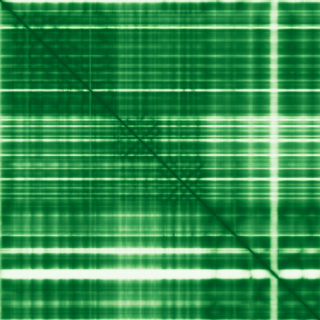
Mean pLDDT
89.1/ 100
Confident
922 residues
Confidence breakdown
- Very high(≥ 90)72%
- Confident(70–90)21%
- Low(50–70)4%
- Very low(< 50)3%
Open interactive 3D viewer
AlphaFold (Jumper et al., 2021) · CC BY 4.0
post-GPI attachment to proteins inositol deacylase 1
Annotations refreshed 3 months ago.
Diagnostic Grade (Green)
DDG2P
BIALLELIC, autosomal or pseudoautosomalFetal anomalies
BIALLELIC, autosomal or pseudoautosomalIntellectual disability
BIALLELIC, autosomal or pseudoautosomalAdult onset hereditary spastic paraplegia
BIALLELIC, autosomal or pseudoautosomalAdult onset neurodegenerative disorder
BIALLELIC, autosomal or pseudoautosomalChildhood onset hereditary spastic paraplegia
BIALLELIC, autosomal or pseudoautosomalHereditary spastic paraplegia
BIALLELIC, autosomal or pseudoautosomalautosomal recessive non-syndromic intellectual disability
hereditary disease
Rare genetic intellectual disability with developmental anomaly
autosomal recessive spastic paraplegia type 67
hereditary spastic paraplegia
thyroid cancer
neurodevelopmental disorder
alcohol drinking
myopia
pathological myopia
Score is the Open Targets composite evidence score (0-1). Higher = stronger gene-disease association.
GPI inositol-deacylase
GPI inositol-deacylase that catalyzes the remove of the acyl chain linked to the 2-OH position of inositol ring from the GPI-anchored protein (GPI-AP) in the endoplasmic reticulum (PubMed:24784135, PubMed:38167496). Initiates the post-attachment remodeling phase of GPI-AP biogenesis and participates in endoplasmic reticulum (ER)-to-Golgi transport of GPI-anchored protein (PubMed:24784135, PubMed:38167496)
PGAP1 · Q75T13
Mean pLDDT
89.1/ 100
Confident
922 residues
Confidence breakdown
AlphaFold (Jumper et al., 2021) · CC BY 4.0