
AlphaFold predicted structure
PGAP3 · Q96FM1
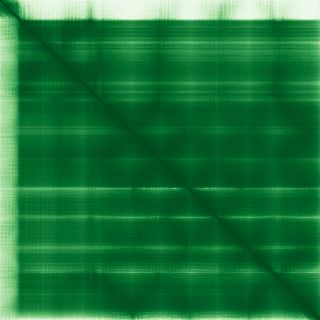
Mean pLDDT
92.6/ 100
Very high
320 residues
Confidence breakdown
- Very high(≥ 90)87%
- Confident(70–90)7%
- Low(50–70)5%
- Very low(< 50)1%
Open interactive 3D viewer
AlphaFold (Jumper et al., 2021) · CC BY 4.0
post-GPI attachment to proteins phospholipase 3
Annotations refreshed 3 months ago.
Diagnostic Grade (Green)
Clefting
BIALLELIC, autosomal or pseudoautosomalCongenital disorders of glycosylation
BIALLELIC, autosomal or pseudoautosomalDDG2P
BIALLELIC, autosomal or pseudoautosomalFetal anomalies
BIALLELIC, autosomal or pseudoautosomalIntellectual disability
BIALLELIC, autosomal or pseudoautosomalLikely inborn error of metabolism
BIALLELIC, autosomal or pseudoautosomalUndiagnosed metabolic disorders
BIALLELIC, autosomal or pseudoautosomalChildhood onset dystonia, chorea or related movement disorder
hyperphosphatasia-intellectual disability syndrome
hereditary disease
asthma
congestive heart failure
atrial fibrillation
alcohol drinking
ulcerative colitis
rheumatoid arthritis
Crohn disease
psoriasis
Score is the Open Targets composite evidence score (0-1). Higher = stronger gene-disease association.
GPI-specific phospholipase A2-like PGAP3
Involved in the fatty acid remodeling steps of GPI-anchor maturation where the unsaturated acyl chain at sn-2 of inositol phosphate is replaced by a saturated stearoyl chain (PubMed:17021251, PubMed:24439110). May catalyze the first step of the fatty acid remodeling, by removing the unsaturated acyl chain at sn-2 of inositol phosphate, generating a lyso-GPI intermediate (Probable). The fatty acid remodeling steps is critical for the integration of GPI-APs into lipid rafts (By similarity)
PGAP3 · Q96FM1
Mean pLDDT
92.6/ 100
Very high
320 residues
Confidence breakdown
AlphaFold (Jumper et al., 2021) · CC BY 4.0