
AlphaFold predicted structure
PGM2L1 · Q6PCE3
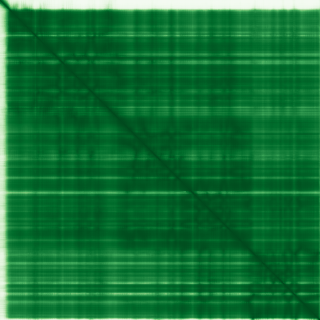
Mean pLDDT
94.4/ 100
Very high
622 residues
Confidence breakdown
- Very high(≥ 90)92%
- Confident(70–90)5%
- Low(50–70)1%
- Very low(< 50)3%
Open interactive 3D viewer
AlphaFold (Jumper et al., 2021) · CC BY 4.0
phosphoglucomutase 2 like 1
Annotations refreshed 3 months ago.
Diagnostic Grade (Green)
DDG2P
BIALLELIC, autosomal or pseudoautosomalEarly onset or syndromic epilepsy
BIALLELIC, autosomal or pseudoautosomalIntellectual disability
BIALLELIC, autosomal or pseudoautosomalSevere early-onset obesity
BIALLELIC, autosomal or pseudoautosomalneurodevelopmental disorder with hypotonia, dysmorphic facies, and skin abnormalities
hereditary disease
neurodevelopmental disorder
complex neurodevelopmental disorder
response to xenobiotic stimulus
ovarian neoplasm
poisoning
placental retention
cholangiocarcinoma
Alzheimer disease
Score is the Open Targets composite evidence score (0-1). Higher = stronger gene-disease association.
Glucose 1,6-bisphosphate synthase
Glucose 1,6-bisphosphate synthase using 1,3-bisphosphoglycerate as a phosphate donor and a series of 1-phosphate sugars, including glucose 1-phosphate, mannose 1-phosphate, ribose 1-phosphate and deoxyribose 1-phosphate, as acceptors (PubMed:17804405). In vitro, also exhibits very low phosphopentomutase and phosphoglucomutase activity which are most probably not physiologically relevant (PubMed:17804405)
PGM2L1 · Q6PCE3
Mean pLDDT
94.4/ 100
Very high
622 residues
Confidence breakdown
AlphaFold (Jumper et al., 2021) · CC BY 4.0