
AlphaFold predicted structure
PHF5A · Q7RTV0
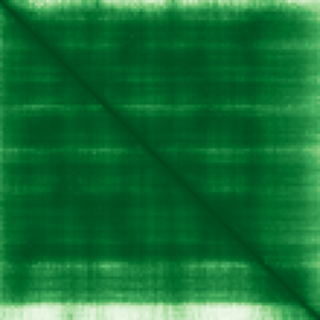
Mean pLDDT
89.9/ 100
Confident
110 residues
Confidence breakdown
- Very high(≥ 90)74%
- Confident(70–90)19%
- Low(50–70)7%
- Very low(< 50)0%
Open interactive 3D viewer
AlphaFold (Jumper et al., 2021) · CC BY 4.0
PHD finger protein 5A
Annotations refreshed 3 months ago.
Diagnostic Grade (Green)
DDG2P
MONOALLELIC, autosomal or pseudoautosomal, imprinted status unknownFetal anomalies
MONOALLELIC, autosomal or pseudoautosomal, NOT imprintedIntellectual disability
MONOALLELIC, autosomal or pseudoautosomal, NOT imprintedneurodevelopmental disorder
dengue disease
neurodegenerative disease
refractive error
asthma
childhood onset asthma
complex neurodevelopmental disorder
primary angle-closure glaucoma
hereditary disease
neoplasm
Score is the Open Targets composite evidence score (0-1). Higher = stronger gene-disease association.
PHD finger-like domain-containing protein 5A
Component of the 17S U2 SnRNP complex of the spliceosome, a large ribonucleoprotein complex that removes introns from transcribed pre-mRNAs (PubMed:12234937, PubMed:27720643, PubMed:28541300, PubMed:32494006, PubMed:34822310). The 17S U2 SnRNP complex (1) directly participates in early spliceosome assembly and (2) mediates recognition of the intron branch site during pre-mRNA splicing by promoting the selection of the pre-mRNA branch-site adenosine, the nucleophile for the first step of splicing (PubMed:12234937, PubMed:32494006, PubMed:34822310). Within the 17S U2 SnRNP complex, PHF5A is part of the SF3B subcomplex, which is required for 'A' complex assembly formed by the stable binding of U2 snRNP to the branchpoint sequence in pre-mRNA (PubMed:12234937, PubMed:27720643). Sequence independent binding of SF3A and SF3B subcomplexes upstream of the branch site is essential, it may anchor U2 snRNP to the pre-mRNA (PubMed:12234937). Also acts as a component of the minor spliceosome, which is involved in the splicing of U12-type introns in pre-mRNAs (PubMed:15146077, PubMed:33509932). Also involved in elongation by RNA polymerase II as part of the PAF1 complex (PAF1C) (By similarity). PAF1C is required for maintenance of embryonic stem cell (ESC) self-renewal and cellular reprogramming of stem cells (By similarity). Maintains pluripotency by recruiting and stabilizing PAF1C on pluripotency genes loci, and by regulating the expression of the pluripotency genes (By similarity). Regulates the deposition of elongation-associated histone modifications, including dimethylated histone H3 'Lys-79' (H3K79me2) and trimethylated histone H3 'Lys-36' (H3K36me3), on PAF1C targets, self-renewal and pluripotency genes (By similarity). Regulates RNA polymerase II promoter-proximal pause release of the PAF1C targets and self-renewal genes, and the levels of elongating ('Ser-2' phosphorylated) RNA polymerase II in their gene bodies (By similarity). Regulates muscle specification in adult stem cells by stabilizing PAF1C in chromatin to promote myogenic differentiation (By similarity). Acts as a transcriptional regulator by binding to the GJA1/Cx43 promoter and enhancing its up-regulation by ESR1/ER-alpha (By similarity)
PHF5A · Q7RTV0
Mean pLDDT
89.9/ 100
Confident
110 residues
Confidence breakdown
AlphaFold (Jumper et al., 2021) · CC BY 4.0