
AlphaFold predicted structure
PHGDH · O43175
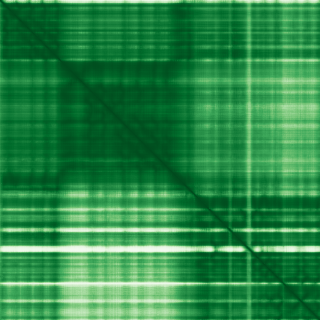
Mean pLDDT
92.9/ 100
Very high
533 residues
Confidence breakdown
- Very high(≥ 90)82%
- Confident(70–90)14%
- Low(50–70)3%
- Very low(< 50)1%
Open interactive 3D viewer
AlphaFold (Jumper et al., 2021) · CC BY 4.0
phosphoglycerate dehydrogenase
Annotations refreshed 2 months ago.
Diagnostic Grade (Green)
DDG2P
BIALLELIC, autosomal or pseudoautosomalEarly onset or syndromic epilepsy
BIALLELIC, autosomal or pseudoautosomalFetal anomalies
BIALLELIC, autosomal or pseudoautosomalIntellectual disability
BIALLELIC, autosomal or pseudoautosomalLikely inborn error of metabolism
BIALLELIC, autosomal or pseudoautosomalSkeletal dysplasia
BIALLELIC, autosomal or pseudoautosomalUndiagnosed metabolic disorders
BIALLELIC, autosomal or pseudoautosomalAtaxia and cerebellar anomalies - narrow panel
BIALLELIC, autosomal or pseudoautosomal+6 more panels — install the extension to see the full list inline on any page.
PHGDH deficiency
Neu-Laxova syndrome 1
3-phosphoglycerate dehydrogenase deficiency, infantile/juvenile form
Neu-Laxova syndrome
peripheral neuropathy
macular telangiectasia type 2
osteomyelitis
neurometabolic disorder due to serine deficiency
hereditary disease
multiple sclerosis
Score is the Open Targets composite evidence score (0-1). Higher = stronger gene-disease association.
D-3-phosphoglycerate dehydrogenase
Catalyzes the reversible oxidation of 3-phospho-D-glycerate to 3-phosphonooxypyruvate, the first step of the phosphorylated L-serine biosynthesis pathway. Also catalyzes the reversible oxidation of 2-hydroxyglutarate to 2-oxoglutarate and the reversible oxidation of (S)-malate to oxaloacetate
PHGDH · O43175
Mean pLDDT
92.9/ 100
Very high
533 residues
Confidence breakdown
AlphaFold (Jumper et al., 2021) · CC BY 4.0