Skip to content
GenoLensGenoLens

PIEZO1

Chr 16q24.3

piezo type mechanosensitive ion channel component 1 (Er blood group)

Aliases:
KIAA0233
MANE:
ENST00000301015.14

Annotations refreshed 10 hours ago.

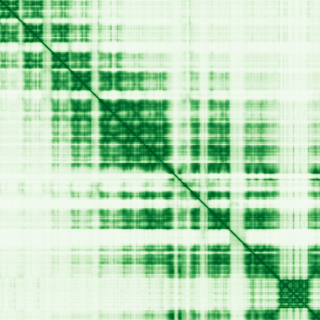
Predicted protein structure

Clinical relevance (Genomics England PanelApp)

Diagnostic Grade (Green)

  • Cytopenias and congenital anaemias

    MONOALLELIC, autosomal or pseudoautosomal, imprinted status unknown
  • DDG2P

    BIALLELIC, autosomal or pseudoautosomal
  • Fetal anomalies

    BOTH monoallelic and biallelic, autosomal or pseudoautosomal
  • Fetal hydrops

    BOTH monoallelic and biallelic, autosomal or pseudoautosomal
  • Primary lymphoedema

    BOTH monoallelic and biallelic, autosomal or pseudoautosomal
  • Rare anaemia

    MONOALLELIC, autosomal or pseudoautosomal, imprinted status unknown
  • Hereditary Erythrocytosis

    MONOALLELIC, autosomal or pseudoautosomal, NOT imprinted

Disease associations (Open Targets)

  • dehydrated hereditary stomatocytosis with or without pseudohyperkalemia and/or perinatal edema

    0.82
  • lymphedema, hereditary, iii

    0.77
  • lymphatic malformation 6

    0.75
  • dehydrated hereditary stomatocytosis

    0.69
  • Varicose veins

    0.52
  • Non-immune hydrops fetalis

    0.46
  • hereditary disease

    0.46
  • vein disorder

    0.44
  • hydrops fetalis

    0.38
  • hypothyroidism

    0.38

Score is the Open Targets composite evidence score (0-1). Higher = stronger gene-disease association.

Protein function (UniProt)

Piezo-type mechanosensitive ion channel component 1

Pore-forming subunit of the mechanosensitive non-specific cation Piezo channel required for rapidly adapting mechanically activated (MA) currents and has a key role in sensing touch and tactile pain (PubMed:23479567, PubMed:23695678, PubMed:25955826, PubMed:37590348). Piezo channels are homotrimeric three-blade propeller-shaped structures that utilize a cap-motion and plug-and-latch mechanism to gate their ion-conducting pathways (PubMed:37590348). Generates currents characterized by a linear current-voltage relationship that are sensitive to ruthenium red and gadolinium (By similarity). Conductance to monovalent alkali ions is highest for K(+), intermediate for Na(+) and lowest for Li(+) (PubMed:25955826). Divalent ions except for Mn(2+) permeate the channel but more slowly than the monovalent ions and they also reduce K(+) currents (PubMed:25955826). Plays a key role in epithelial cell adhesion by maintaining integrin activation through R-Ras recruitment to the ER, most probably in its activated state, and subsequent stimulation of calpain signaling (PubMed:20016066). In inner ear hair cells, PIEZO1/2 subunits may constitute part of the mechanotransducer (MET) non-selective cation channel complex where they may act as pore-forming ion-conducting component in the complex (By similarity). In the kidney, may contribute to the detection of intraluminal pressure changes and to urine flow sensing (By similarity). Acts as a shear-stress sensor that promotes endothelial cell organization and alignment in the direction of blood flow through calpain activation (PubMed:25119035). Plays a key role in blood vessel formation and vascular structure in both development and adult physiology (By similarity). Acts as a sensor of phosphatidylserine (PS) flipping at the plasma membrane and governs morphogenesis of muscle cells (By similarity). In myoblasts, flippase-mediated PS enrichment at the inner leaflet of plasma membrane triggers channel activation and Ca2+ influx followed by Rho GTPases signal transduction, leading to assembly of cortical actomyosin fibers and myotube formation (PubMed:29799007)

Curated MONDO disease pages that list PIEZO1 among their top associated genes.

Data sources: HGNC (CC BY 4.0), AlphaFold (CC BY 4.0, Jumper et al. Nature 2021), Genomics England PanelApp (CC BY 4.0), ClinGen, Open Targets (CC0), UniProt.

Not for sole clinical decision-making. Always verify against primary sources.