
AlphaFold predicted structure
PIGL · Q9Y2B2
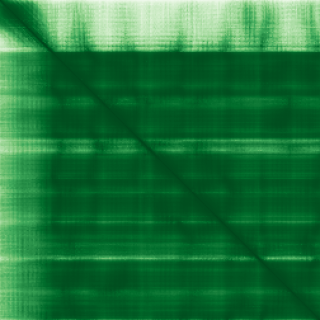
Mean pLDDT
91.8/ 100
Very high
252 residues
Confidence breakdown
- Very high(≥ 90)78%
- Confident(70–90)15%
- Low(50–70)7%
- Very low(< 50)0%
Open interactive 3D viewer
AlphaFold (Jumper et al., 2021) · CC BY 4.0
phosphatidylinositol glycan anchor biosynthesis class L
Annotations refreshed 2 months ago.
Diagnostic Grade (Green)
Congenital disorders of glycosylation
BIALLELIC, autosomal or pseudoautosomalDDG2P
BIALLELIC, autosomal or pseudoautosomalFetal anomalies
BIALLELIC, autosomal or pseudoautosomalIchthyosis and erythrokeratoderma
BIALLELIC, autosomal or pseudoautosomalIntellectual disability
BIALLELIC, autosomal or pseudoautosomalLikely inborn error of metabolism
BIALLELIC, autosomal or pseudoautosomalStructural eye disease
BIALLELIC, autosomal or pseudoautosomalUndiagnosed metabolic disorders
BIALLELIC, autosomal or pseudoautosomal+3 more panels — install the extension to see the full list inline on any page.
CHIME syndrome
syndromic intellectual disability
hyperphosphatasia-intellectual disability syndrome
hereditary disease
Intellectual disability
protozoa infectious disease
digestive system disorder
diabetic ketoacidosis
risk-taking behaviour
Hodgkins lymphoma
Score is the Open Targets composite evidence score (0-1). Higher = stronger gene-disease association.
N-acetylglucosaminyl-phosphatidylinositol de-N-acetylase
Catalyzes the second step of glycosylphosphatidylinositol (GPI) biosynthesis, which is the de-N-acetylation of N-acetylglucosaminyl-phosphatidylinositol
PIGL · Q9Y2B2
Mean pLDDT
91.8/ 100
Very high
252 residues
Confidence breakdown
AlphaFold (Jumper et al., 2021) · CC BY 4.0