
AlphaFold predicted structure
PLAA · Q9Y263
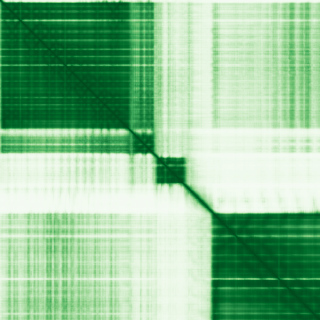
Mean pLDDT
84.0/ 100
Confident
795 residues
Confidence breakdown
- Very high(≥ 90)57%
- Confident(70–90)27%
- Low(50–70)4%
- Very low(< 50)11%
Open interactive 3D viewer
AlphaFold (Jumper et al., 2021) · CC BY 4.0
phospholipase A2 activating protein
Annotations refreshed 2 months ago.
Diagnostic Grade (Green)
DDG2P
BIALLELIC, autosomal or pseudoautosomalEarly onset or syndromic epilepsy
BIALLELIC, autosomal or pseudoautosomalFetal anomalies
BIALLELIC, autosomal or pseudoautosomalIntellectual disability
BIALLELIC, autosomal or pseudoautosomalSevere microcephaly
BIALLELIC, autosomal or pseudoautosomalHereditary neuropathy or pain disorder
BIALLELIC, autosomal or pseudoautosomalneurodevelopmental disorder with progressive microcephaly, spasticity, and brain anomalies
Microcephaly - brain defect - spasticity - hypernatremia
hereditary disease
Epileptic encephalopathy
neurodegenerative disease
gestational diabetes
amyotrophic lateral sclerosis
behavioral variant of frontotemporal dementia
ovarian carcinoma
ovarian cancer
Score is the Open Targets composite evidence score (0-1). Higher = stronger gene-disease association.
Phospholipase A-2-activating protein
Plays a role in protein ubiquitination, sorting and degradation through its association with VCP (PubMed:27753622). Involved in ubiquitin-mediated membrane proteins trafficking to late endosomes in an ESCRT-dependent manner, and hence plays a role in synaptic vesicle recycling (By similarity). May play a role in macroautophagy, regulating for instance the clearance of damaged lysosomes (PubMed:27753622). Plays a role in cerebellar Purkinje cell development (By similarity). Positively regulates cytosolic and calcium-independent phospholipase A2 activities in a tumor necrosis factor alpha (TNF)- or lipopolysaccharide (LPS)-dependent manner, and hence prostaglandin E2 biosynthesis (PubMed:18291623, PubMed:28007986)
PLAA · Q9Y263
Mean pLDDT
84.0/ 100
Confident
795 residues
Confidence breakdown
AlphaFold (Jumper et al., 2021) · CC BY 4.0