AlphaFold predicted structure
PLCB4 · Q15147
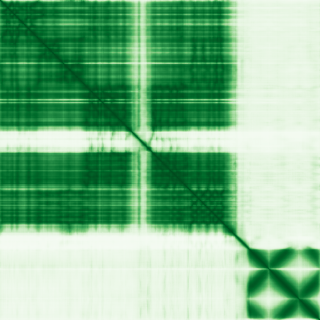
Mean pLDDT
85.4/ 100
Confident
1,175 residues
Confidence breakdown
- Very high(≥ 90)64%
- Confident(70–90)23%
- Low(50–70)3%
- Very low(< 50)9%
AlphaFold (Jumper et al., 2021) · CC BY 4.0
phospholipase C beta 4
Annotations refreshed 9 hours ago.
Diagnostic Grade (Green)
Clefting
BOTH monoallelic and biallelic, autosomal or pseudoautosomalDDG2P
MONOALLELIC, autosomal or pseudoautosomal, imprinted status unknownDeafness and congenital structural abnormalities
BOTH monoallelic and biallelic, autosomal or pseudoautosomalFetal anomalies
BOTH monoallelic and biallelic, autosomal or pseudoautosomalauriculocondylar syndrome
hereditary disease
auriculocondylar syndrome 2B
alcohol drinking
uveal melanoma
Ocular melanocytosis
familial hypercholesterolemia
stroke disorder
placental abruption
Abnormal facial shape
Score is the Open Targets composite evidence score (0-1). Higher = stronger gene-disease association.
1-phosphatidylinositol 4,5-bisphosphate phosphodiesterase beta-4
Activated phosphatidylinositol-specific phospholipase C enzymes catalyze the production of the second messenger molecules diacylglycerol (DAG) and inositol 1,4,5-trisphosphate (IP3) involved in G protein-coupled receptor signaling pathways. PLCB4 is a direct effector of the endothelin receptor signaling pathway that plays an essential role in lower jaw and middle ear structures development (PubMed:35284927)
PLCB4 · Q15147

Mean pLDDT
85.4/ 100
Confident
1,175 residues
Confidence breakdown
AlphaFold (Jumper et al., 2021) · CC BY 4.0