Skip to content
GenoLensGenoLens

PLCG2

Chr 16q24.1

phospholipase C gamma 2

MANE:
ENST00000564138.6

Annotations refreshed 1 month ago.

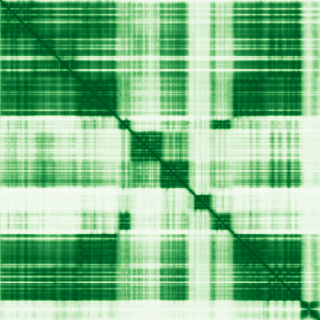
Predicted protein structure

Clinical relevance (Genomics England PanelApp)

Diagnostic Grade (Green)

  • Autoinflammatory disorders

    MONOALLELIC, autosomal or pseudoautosomal, imprinted status unknown
  • COVID-19 research

    MONOALLELIC, autosomal or pseudoautosomal, imprinted status unknown
  • Primary immunodeficiency or monogenic inflammatory bowel disease

    MONOALLELIC, autosomal or pseudoautosomal, imprinted status unknown
  • Gastrointestinal epithelial barrier disorders

  • Infantile enterocolitis & monogenic inflammatory bowel disease

    MONOALLELIC, autosomal or pseudoautosomal, imprinted status unknown
  • DDG2P

    MONOALLELIC, autosomal or pseudoautosomal, imprinted status unknown

Disease associations (Open Targets)

  • PLCG2-associated antibody deficiency and immune dysregulation

    0.77
  • autoinflammation-PLCG2-associated antibody deficiency-immune dysregulation

    0.72
  • familial cold autoinflammatory syndrome 3

    0.69
  • venous thromboembolism

    0.57
  • Alzheimer disease

    0.54
  • deep vein thrombosis

    0.53
  • heart disorder

    0.52
  • pulmonary embolism

    0.50
  • cutaneous leishmaniasis

    0.50
  • inflammatory bowel disease

    0.49

Score is the Open Targets composite evidence score (0-1). Higher = stronger gene-disease association.

Protein function (UniProt)

1-phosphatidylinositol 4,5-bisphosphate phosphodiesterase gamma-2

The production of the second messenger molecules diacylglycerol (DAG) and inositol 1,4,5-trisphosphate (IP3) is mediated by activated phosphatidylinositol-specific phospholipase C enzymes (PubMed:19394299, PubMed:23000145). It is a crucial enzyme in transmembrane signaling (PubMed:23000145)

Curated MONDO disease pages that list PLCG2 among their top associated genes.

Data sources: HGNC (CC BY 4.0), AlphaFold (CC BY 4.0, Jumper et al. Nature 2021), Genomics England PanelApp (CC BY 4.0), ClinGen, Open Targets (CC0), UniProt.

Not for sole clinical decision-making. Always verify against primary sources.