Skip to content
GenoLensGenoLens

PLXNB2

Chr 22q13.33

plexin B2

Aliases:
MM1, KIAA0315, PLEXB2, lncFAL
MANE:
ENST00000359337.9

Annotations refreshed 10 hours ago.

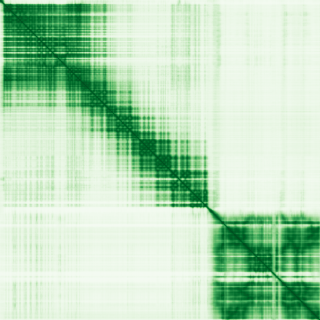
Predicted protein structure

Clinical relevance (Genomics England PanelApp)

Diagnostic Grade (Green)

  • Amelogenesis imperfecta

    BIALLELIC, autosomal or pseudoautosomal
  • DDG2P

    BIALLELIC, autosomal or pseudoautosomal
  • Intellectual disability

    BIALLELIC, autosomal or pseudoautosomal
  • Monogenic hearing loss

    BIALLELIC, autosomal or pseudoautosomal
  • Fetal anomalies

    BIALLELIC, autosomal or pseudoautosomal
  • Primary lymphoedema

    BIALLELIC, autosomal or pseudoautosomal

Disease associations (Open Targets)

  • Intellectual disability

    0.52
  • amelogenesis imperfecta

    0.52
  • sensorineural hearing loss disorder

    0.52
  • Sensorineural hearing impairment

    0.51
  • cutaneous melanoma

    0.47
  • neurodegenerative disease

    0.45
  • hair color

    0.44
  • cancer

    0.37
  • hypertensive disorder

    0.36
  • vein disorder

    0.24

Score is the Open Targets composite evidence score (0-1). Higher = stronger gene-disease association.

Protein function (UniProt)

Plexin-B2

Cell surface receptor for SEMA4C, SEMA4D and SEMA4G that plays an important role in cell-cell signaling (By similarity). Plays a role in glutamatergic synapse development and is required for SEMA4A-mediated excitatory synapse development (By similarity). Binding to class 4 semaphorins promotes downstream activation of RHOA and phosphorylation of ERBB2 at 'Tyr-1248' (By similarity). Also acts as a cell surface receptor for angiogenin (ANG); promoting ANG endocytosis and translocation to the cytoplasm or nucleus (PubMed:29100074, PubMed:32510170). Required for normal differentiation and migration of neuronal cells during brain corticogenesis and for normal embryonic brain development (By similarity). Regulates the migration of cerebellar granule cells in the developing brain (By similarity). Plays a role in RHOA activation and subsequent changes of the actin cytoskeleton (PubMed:12183458). Plays a role in axon guidance, invasive growth and cell migration (PubMed:15184888). May modulate the activity of RAC1 and CDC42 (By similarity)

Data sources: HGNC (CC BY 4.0), AlphaFold (CC BY 4.0, Jumper et al. Nature 2021), Genomics England PanelApp (CC BY 4.0), ClinGen, Open Targets (CC0), UniProt.

Not for sole clinical decision-making. Always verify against primary sources.