
AlphaFold predicted structure
PMPCA · Q10713
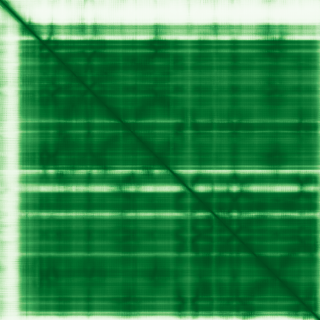
Mean pLDDT
88.3/ 100
Confident
525 residues
Confidence breakdown
- Very high(≥ 90)76%
- Confident(70–90)12%
- Low(50–70)4%
- Very low(< 50)7%
Open interactive 3D viewer
AlphaFold (Jumper et al., 2021) · CC BY 4.0
peptidase, mitochondrial processing subunit alpha
Annotations refreshed 2 months ago.
Diagnostic Grade (Green)
Ataxia and cerebellar anomalies - narrow panel
BIALLELIC, autosomal or pseudoautosomalHereditary ataxia
BIALLELIC, autosomal or pseudoautosomalHereditary ataxia with onset in adulthood
BIALLELIC, autosomal or pseudoautosomalLikely inborn error of metabolism
BIALLELIC, autosomal or pseudoautosomalMitochondrial disorders
BIALLELIC, autosomal or pseudoautosomalPossible mitochondrial disorder - nuclear genes
BIALLELIC, autosomal or pseudoautosomalUndiagnosed metabolic disorders
BIALLELIC, autosomal or pseudoautosomalIntellectual disability
BIALLELIC, autosomal or pseudoautosomal+3 more panels — install the extension to see the full list inline on any page.
autosomal recessive spinocerebellar ataxia 2
Autosomal recessive cerebelloparenchymal disorder type 3
neurodegenerative disease
Failure to thrive
optic atrophy
Floppy infant
normal pressure hydrocephalus
Hypoventilation
hypertrophic cardiomyopathy
Severe global developmental delay
Score is the Open Targets composite evidence score (0-1). Higher = stronger gene-disease association.
Mitochondrial-processing peptidase subunit alpha
Substrate recognition and binding subunit of the essential mitochondrial processing protease (MPP), which cleaves the mitochondrial sequence off newly imported precursors proteins
Curated MONDO disease pages that list PMPCA among their top associated genes.
PMPCA · Q10713
Mean pLDDT
88.3/ 100
Confident
525 residues
Confidence breakdown
AlphaFold (Jumper et al., 2021) · CC BY 4.0