
AlphaFold predicted structure
PMPCB · O75439
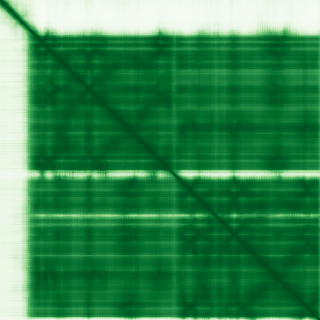
Mean pLDDT
87.3/ 100
Confident
489 residues
Confidence breakdown
- Very high(≥ 90)79%
- Confident(70–90)8%
- Low(50–70)4%
- Very low(< 50)10%
Open interactive 3D viewer
AlphaFold (Jumper et al., 2021) · CC BY 4.0
peptidase, mitochondrial processing subunit beta
Annotations refreshed 2 months ago.
Diagnostic Grade (Green)
Ataxia and cerebellar anomalies - narrow panel
BIALLELIC, autosomal or pseudoautosomalDDG2P
BIALLELIC, autosomal or pseudoautosomalEarly onset or syndromic epilepsy
BIALLELIC, autosomal or pseudoautosomalHereditary ataxia with onset in adulthood
BIALLELIC, autosomal or pseudoautosomalIntellectual disability
BIALLELIC, autosomal or pseudoautosomalLikely inborn error of metabolism
BIALLELIC, autosomal or pseudoautosomalMitochondrial disorders
BIALLELIC, autosomal or pseudoautosomalPossible mitochondrial disorder - nuclear genes
BIALLELIC, autosomal or pseudoautosomalmultiple mitochondrial dysfunctions syndrome 6
neurodegenerative disease
hereditary disease
ovarian dysfunction
type 2 diabetes mellitus
open-angle glaucoma
diverticular disease
Abnormality of the skeletal system
breast cancer
breast carcinoma
Score is the Open Targets composite evidence score (0-1). Higher = stronger gene-disease association.
Mitochondrial-processing peptidase subunit beta
Catalytic subunit of the essential mitochondrial processing protease (MPP), which cleaves the mitochondrial sequence off newly imported precursors proteins (Probable) (PubMed:29576218). Preferentially, cleaves after an arginine at position P2 (By similarity). Required for PINK1 turnover by coupling PINK1 mitochondrial import and cleavage, which results in subsequent PINK1 proteolysis (PubMed:22354088)
PMPCB · O75439
Mean pLDDT
87.3/ 100
Confident
489 residues
Confidence breakdown
AlphaFold (Jumper et al., 2021) · CC BY 4.0