
AlphaFold predicted structure
PNP · P00491
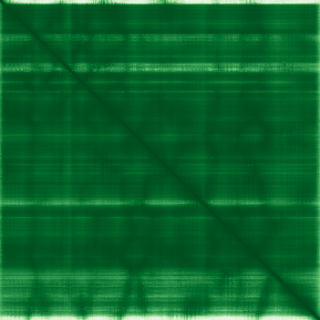
Mean pLDDT
93.8/ 100
Very high
289 residues
Confidence breakdown
- Very high(≥ 90)81%
- Confident(70–90)16%
- Low(50–70)1%
- Very low(< 50)1%
Open interactive 3D viewer
AlphaFold (Jumper et al., 2021) · CC BY 4.0
purine nucleoside phosphorylase
Annotations refreshed 3 months ago.
Diagnostic Grade (Green)
COVID-19 research
BIALLELIC, autosomal or pseudoautosomalLikely inborn error of metabolism
BIALLELIC, autosomal or pseudoautosomalPrimary immunodeficiency or monogenic inflammatory bowel disease
BIALLELIC, autosomal or pseudoautosomalSevere combined immunodeficiency with PNP deficiency
BIALLELIC, autosomal or pseudoautosomalUndiagnosed metabolic disorders
BIALLELIC, autosomal or pseudoautosomalChildhood onset dystonia, chorea or related movement disorder
Intellectual disability
purine nucleoside phosphorylase deficiency
severe combined immunodeficiency
combined immunodeficiency
T-B+ severe combined immunodeficiency
T-B- severe combined immunodeficiency
mature T-cell and NK-cell non-Hodgkin lymphoma
hereditary disease
gout
primary cutaneous T-cell non-Hodgkin lymphoma
B-cell chronic lymphocytic leukemia
Score is the Open Targets composite evidence score (0-1). Higher = stronger gene-disease association.
Pancreatic polypeptide prohormone
Hormone secreted by pancreatic cells that acts as a regulator of pancreatic and gastrointestinal functions probably by signaling through the G protein-coupled receptor NPY4R2
PNP · P00491
Mean pLDDT
93.8/ 100
Very high
289 residues
Confidence breakdown
AlphaFold (Jumper et al., 2021) · CC BY 4.0