AlphaFold predicted structure
POLA1 · P09884
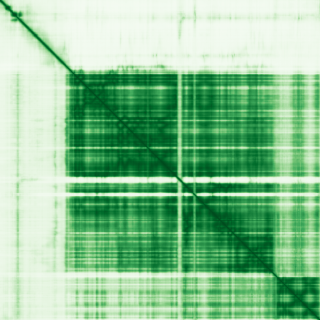
Mean pLDDT
75.8/ 100
Confident
1,462 residues
Confidence breakdown
- Very high(≥ 90)46%
- Confident(70–90)25%
- Low(50–70)5%
- Very low(< 50)24%
AlphaFold (Jumper et al., 2021) · CC BY 4.0
DNA polymerase alpha 1, catalytic subunit
Annotations refreshed 1 month ago.
Diagnostic Grade (Green)
COVID-19 research
X-LINKED: hemizygous mutation in males, biallelic mutations in femalesDDG2P
X-LINKED: hemizygous mutation in males, biallelic mutations in femalesIntellectual disability
X-LINKED: hemizygous mutation in males, biallelic mutations in femalesPrimary immunodeficiency or monogenic inflammatory bowel disease
X-LINKED: hemizygous mutation in males, biallelic mutations in femalesFetal anomalies
X-LINKED: hemizygous mutation in males, biallelic mutations in femalesNeurofibromatosis Type 1
X-LINKED: hemizygous mutation in males, biallelic mutations in femalesClefting
X-LINKED: hemizygous mutation in males, biallelic mutations in femalesX-linked reticulate pigmentary disorder
X-linked intellectual disability, van Esch type
X-linked reticulate pigmentary disorder with systemic manifestations
acute lymphoblastic leukemia
non-small cell lung carcinoma
B-cell chronic lymphocytic leukemia
acute myeloid leukemia
exocrine pancreatic carcinoma
ovarian carcinoma
neoplasm
Score is the Open Targets composite evidence score (0-1). Higher = stronger gene-disease association.
DNA polymerase alpha catalytic subunit
Catalytic subunit of the DNA polymerase alpha complex (also known as the alpha DNA polymerase-primase complex) which plays an essential role in the initiation of DNA synthesis. During the S phase of the cell cycle, the DNA polymerase alpha complex (composed of a catalytic subunit POLA1, a regulatory subunit POLA2 and two primase subunits PRIM1 and PRIM2) is recruited to DNA at the replicative forks via direct interactions with MCM10 and WDHD1. The primase subunit of the polymerase alpha complex initiates DNA synthesis by oligomerising short RNA primers on both leading and lagging strands. These primers are initially extended by the polymerase alpha catalytic subunit and subsequently transferred to polymerase delta and polymerase epsilon for processive synthesis on the lagging and leading strand, respectively. The reason this transfer occurs is because the polymerase alpha has limited processivity and lacks intrinsic 3' exonuclease activity for proofreading error, and therefore is not well suited for replicating long complexes. In the cytosol, responsible for a substantial proportion of the physiological concentration of cytosolic RNA:DNA hybrids, which are necessary to prevent spontaneous activation of type I interferon responses (PubMed:27019227)
Curated MONDO disease pages that list POLA1 among their top associated genes.
POLA1 · P09884

Mean pLDDT
75.8/ 100
Confident
1,462 residues
Confidence breakdown
AlphaFold (Jumper et al., 2021) · CC BY 4.0