Skip to content
GenoLensGenoLens

POLR1C

Chr 6p21.1

RNA polymerase I and III subunit C

Aliases:
RPA40, RPA39, RPA5, RPAC1, AC40
MANE:
ENST00000642195.1

Annotations refreshed 1 month ago.

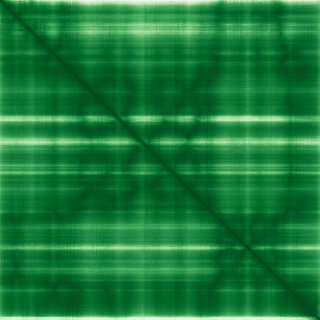
Predicted protein structure

Clinical relevance (Genomics England PanelApp)

Diagnostic Grade (Green)

  • Clefting

    BIALLELIC, autosomal or pseudoautosomal
  • DDG2P

    BIALLELIC, autosomal or pseudoautosomal
  • Deafness and congenital structural abnormalities

    BIALLELIC, autosomal or pseudoautosomal
  • Fetal anomalies

    BIALLELIC, autosomal or pseudoautosomal
  • Inherited white matter disorders

    BIALLELIC, autosomal or pseudoautosomal
  • Intellectual disability

    BIALLELIC, autosomal or pseudoautosomal
  • Skeletal dysplasia

    BIALLELIC, autosomal or pseudoautosomal
  • White matter disorders and cerebral calcification - narrow panel

    BIALLELIC, autosomal or pseudoautosomal

+3 more panels — install the extension to see the full list inline on any page.

Disease associations (Open Targets)

  • Hypomyelinating leukodystrophy with or without oligondontia and/or hypogonadism

    0.75
  • hypomyelinating leukodystrophy 11

    0.74
  • Treacher Collins syndrome 3

    0.72
  • Treacher-Collins syndrome

    0.69
  • Hypomyelination - hypogonadotropic hypogonadism - hypodontia

    0.61
  • POLR1C-related disorder

    0.56
  • hereditary disease

    0.41
  • leukodystrophy

    0.38
  • hypomyelination-hypogonadotropic hypogonadism-hypodontia syndrome

    0.37
  • Hearing impairment

    0.15

Score is the Open Targets composite evidence score (0-1). Higher = stronger gene-disease association.

Protein function (UniProt)

DNA-directed RNA polymerases I and III subunit RPAC1

DNA-dependent RNA polymerase catalyzes the transcription of DNA into RNA using the four ribonucleoside triphosphates as substrates. Common component of RNA polymerases I and III which synthesize ribosomal RNA precursors and short non-coding RNAs including 5S rRNA, snRNAs, tRNAs and miRNAs, respectively. POLR1C/RPAC1 is part of the polymerase core and may function as a clamp element that moves to open and close the cleft

Data sources: HGNC (CC BY 4.0), AlphaFold (CC BY 4.0, Jumper et al. Nature 2021), Genomics England PanelApp (CC BY 4.0), ClinGen, Open Targets (CC0), UniProt.

Not for sole clinical decision-making. Always verify against primary sources.