AlphaFold predicted structure
POLR3H · Q9Y535
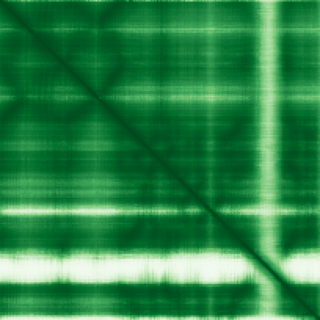
Mean pLDDT
88.0/ 100
Confident
204 residues
Confidence breakdown
- Very high(≥ 90)76%
- Confident(70–90)14%
- Low(50–70)3%
- Very low(< 50)7%
AlphaFold (Jumper et al., 2021) · CC BY 4.0
RNA polymerase III subunit H
Annotations refreshed 9 hours ago.
Moderate Evidence (Amber)
Primary ovarian insufficiency
BIALLELIC, autosomal or pseudoautosomalinfantile cerebellar-retinal degeneration
optic atrophy 9
optic atrophy
hereditary disease
neurodegenerative disease
46,XX gonadal dysgenesis
46 XX gonadal dysgenesis
iron metabolism disease
primary ovarian failure
Premature ovarian insufficiency
Score is the Open Targets composite evidence score (0-1). Higher = stronger gene-disease association.
DNA-directed RNA polymerase III subunit RPC8
DNA-dependent RNA polymerase catalyzes the transcription of DNA into RNA using the four ribonucleoside triphosphates as substrates (PubMed:20413673, PubMed:33558764, PubMed:34675218). Specific peripheric component of RNA polymerase III (Pol III) which synthesizes small non-coding RNAs including 5S rRNA, snRNAs, tRNAs and miRNAs from at least 500 distinct genomic loci. With CRCP/RPC9 forms a mobile stalk that protrudes from Pol III core and functions primarily in transcription initiation (By similarity) (PubMed:33558764, PubMed:34675218). Pol III plays a key role in sensing and limiting infection by intracellular bacteria and DNA viruses. Acts as nuclear and cytosolic DNA sensor involved in innate immune response. Can sense non-self dsDNA that serves as template for transcription into dsRNA. The non-self RNA polymerase III transcripts, such as Epstein-Barr virus-encoded RNAs (EBERs) induce type I interferon and NF-kappa-B through the RIG-I pathway (PubMed:19609254, PubMed:19631370)
Curated MONDO disease pages that list POLR3H among their top associated genes.
POLR3H · Q9Y535

Mean pLDDT
88.0/ 100
Confident
204 residues
Confidence breakdown
AlphaFold (Jumper et al., 2021) · CC BY 4.0