Skip to content
GenoLensGenoLens

POLRMT

Chr 19p13.3

RNA polymerase mitochondrial

Aliases:
h-mtRPOL, APOLMT, MTRNAP, MTRPOL
MANE:
ENST00000588649.7

Annotations refreshed 9 hours ago.

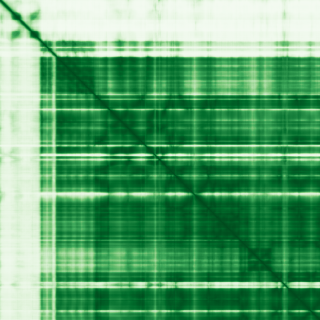
Predicted protein structure

Clinical relevance (Genomics England PanelApp)

Diagnostic Grade (Green)

  • Intellectual disability

    BOTH monoallelic and biallelic, autosomal or pseudoautosomal
  • Likely inborn error of metabolism

    BOTH monoallelic and biallelic, autosomal or pseudoautosomal
  • Mitochondrial disorders

    BOTH monoallelic and biallelic, autosomal or pseudoautosomal
  • Possible mitochondrial disorder - nuclear genes

    BOTH monoallelic and biallelic, autosomal or pseudoautosomal

Disease associations (Open Targets)

  • combined oxidative phosphorylation deficiency 55

    0.80
  • neurodegenerative disease

    0.47
  • neurodevelopmental disorder

    0.34
  • substance-related disorder

    0.15
  • Alpers syndrome

    0.12
  • mitochondrial DNA depletion syndrome 4a

    0.12
  • autosomal dominant progressive external ophthalmoplegia

    0.12
  • non-small cell lung carcinoma

    0.08
  • prostate cancer

    0.08
  • Familial prostate cancer

    0.08

Score is the Open Targets composite evidence score (0-1). Higher = stronger gene-disease association.

Protein function (UniProt)

DNA-directed RNA polymerase, mitochondrial

DNA-dependent RNA polymerase catalyzes the transcription of mitochondrial DNA into RNA using the four ribonucleoside triphosphates as substrates (PubMed:21278163, PubMed:33602924). Component of the mitochondrial transcription initiation complex, composed at least of TFB2M, TFAM and POLRMT that is required for basal transcription of mitochondrial DNA (PubMed:29149603). In this complex, TFAM recruits POLRMT to a specific promoter whereas TFB2M induces structural changes in POLRMT to enable promoter opening and trapping of the DNA non-template strand (PubMed:29149603). Has DNA primase activity (PubMed:18685103, PubMed:33602924). Catalyzes the synthesis of short RNA primers that are necessary for the initiation of lagging-strand DNA synthesis from the origin of light-strand DNA replication (OriL) (PubMed:18685103, PubMed:33602924)

Data sources: HGNC (CC BY 4.0), AlphaFold (CC BY 4.0, Jumper et al. Nature 2021), Genomics England PanelApp (CC BY 4.0), ClinGen, Open Targets (CC0), UniProt.

Not for sole clinical decision-making. Always verify against primary sources.