
AlphaFold predicted structure
PORCN · Q9H237
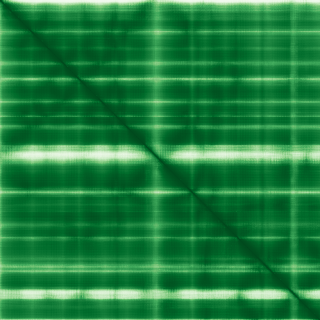
Mean pLDDT
90.0/ 100
Very high
461 residues
Confidence breakdown
- Very high(≥ 90)72%
- Confident(70–90)21%
- Low(50–70)7%
- Very low(< 50)0%
Open interactive 3D viewer
AlphaFold (Jumper et al., 2021) · CC BY 4.0
porcupine O-acyltransferase
Annotations refreshed 3 months ago.
Diagnostic Grade (Green)
Clefting
X-LINKED: hemizygous mutation in males, monoallelic mutations in females may cause disease (may be less severe, later onset than males)DDG2P
X-LINKED: hemizygous mutation in males, monoallelic mutations in females may cause disease (may be less severe, later onset than males)Ectodermal dysplasia
X-LINKED: hemizygous mutation in males, monoallelic mutations in females may cause disease (may be less severe, later onset than males)Ectodermal dysplasia without a known gene mutation
X-LINKED: hemizygous mutation in males, monoallelic mutations in females may cause disease (may be less severe, later onset than males)Fetal anomalies
X-LINKED: hemizygous mutation in males, monoallelic mutations in females may cause disease (may be less severe, later onset than males)Intellectual disability
X-LINKED: hemizygous mutation in males, monoallelic mutations in females may cause disease (may be less severe, later onset than males)Limb disorders
X-LINKED: hemizygous mutation in males, monoallelic mutations in females may cause disease (may be less severe, later onset than males)Mosaic skin disorders - deep sequencing
X-LINKED: hemizygous mutation in males, monoallelic mutations in females may cause disease (may be less severe, later onset than males)+5 more panels — install the extension to see the full list inline on any page.
focal dermal hypoplasia
hereditary disease
microphthalmia, isolated, with coloboma
cancer
polydactyly
Global developmental delay
syndromic microphthalmia
hepatocellular carcinoma
retinitis pigmentosa
brachydactyly-syndactyly syndrome
Score is the Open Targets composite evidence score (0-1). Higher = stronger gene-disease association.
Protein-serine O-palmitoleoyltransferase porcupine
Protein-serine O-palmitoleoyltransferase that acts as a key regulator of the Wnt signaling pathway by mediating the attachment of palmitoleate, a 16-carbon monounsaturated fatty acid (C16:1(9Z)), to Wnt proteins. Serine palmitoleoylation of WNT proteins is required for efficient binding to frizzled receptors
PORCN · Q9H237
Mean pLDDT
90.0/ 100
Very high
461 residues
Confidence breakdown
AlphaFold (Jumper et al., 2021) · CC BY 4.0