
AlphaFold predicted structure
POT1 · Q9NUX5
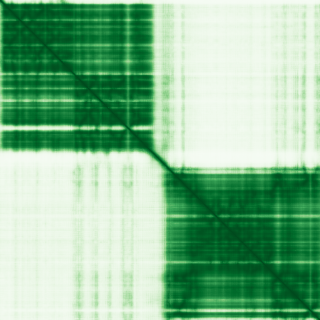
Mean pLDDT
87.4/ 100
Confident
634 residues
Confidence breakdown
- Very high(≥ 90)69%
- Confident(70–90)20%
- Low(50–70)4%
- Very low(< 50)7%
Open interactive 3D viewer
AlphaFold (Jumper et al., 2021) · CC BY 4.0
protection of telomeres 1
Annotations refreshed 2 months ago.
Diagnostic Grade (Green)
Familial melanoma
MONOALLELIC, autosomal or pseudoautosomal, imprinted status unknownHaematological malignancies cancer susceptibility
MONOALLELIC, autosomal or pseudoautosomal, NOT imprintedLi Fraumeni Syndrome
MONOALLELIC, autosomal or pseudoautosomal, imprinted status unknownDDG2P
BIALLELIC, autosomal or pseudoautosomaltumor predisposition syndrome 3
B-cell chronic lymphocytic leukemia
familial melanoma
Inherited cancer-predisposing syndrome
hereditary neoplastic syndrome
pulmonary fibrosis and/or bone marrow failure syndrome, telomere-related, 8
neurodegenerative disease
cerebroretinal microangiopathy with calcifications and cysts 3
plasma cell myeloma
lung carcinoma
Score is the Open Targets composite evidence score (0-1). Higher = stronger gene-disease association.
Protection of telomeres protein 1
Component of the telomerase ribonucleoprotein (RNP) complex that is essential for the replication of chromosome termini. Is a component of the double-stranded telomeric DNA-binding TRF1 complex which is involved in the regulation of telomere length by cis-inhibition of telomerase. Also acts as a single-stranded telomeric DNA-binding protein and thus may act as a downstream effector of the TRF1 complex and may transduce information about telomere maintenance and/or length to the telomere terminus. Component of the shelterin complex (telosome) that is involved in the regulation of telomere length and protection. Shelterin associates with arrays of double-stranded TTAGGG repeats added by telomerase and protects chromosome ends; without its protective activity, telomeres are no longer hidden from the DNA damage surveillance and chromosome ends are inappropriately processed by DNA repair pathways. Binds to two or more telomeric single-stranded 5'-TTAGGG-3' repeats (G-strand) and with high specificity to a minimal telomeric single-stranded 5'-TAGGGTTAG-3' sequence. Binds telomeric single-stranded sequences internally or at proximity of a 3'-end. Its activity is TERT dependent but it does not increase TERT activity by itself. In contrast, the ACD-POT1 heterodimer enhances telomere elongation by increasing telomerase processivity
Curated MONDO disease pages that list POT1 among their top associated genes.
POT1 · Q9NUX5
Mean pLDDT
87.4/ 100
Confident
634 residues
Confidence breakdown
AlphaFold (Jumper et al., 2021) · CC BY 4.0