
AlphaFold predicted structure
PPIL1 · Q9Y3C6
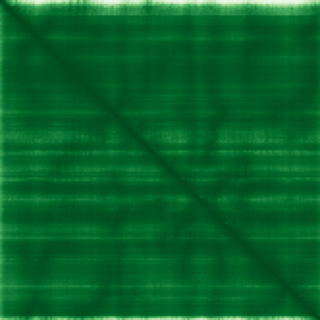
Mean pLDDT
94.8/ 100
Very high
166 residues
Confidence breakdown
- Very high(≥ 90)93%
- Confident(70–90)6%
- Low(50–70)1%
- Very low(< 50)0%
Open interactive 3D viewer
AlphaFold (Jumper et al., 2021) · CC BY 4.0
peptidylprolyl isomerase like 1
Annotations refreshed 2 months ago.
Diagnostic Grade (Green)
DDG2P
BIALLELIC, autosomal or pseudoautosomalEarly onset or syndromic epilepsy
BIALLELIC, autosomal or pseudoautosomalFetal anomalies
BIALLELIC, autosomal or pseudoautosomalIntellectual disability
BIALLELIC, autosomal or pseudoautosomalSevere microcephaly
BIALLELIC, autosomal or pseudoautosomalpontocerebellar hypoplasia, type 14
neurodegenerative disease
pontocerebellar hypoplasia
Non-syndromic pontocerebellar hypoplasia
dengue disease
hypothyroidism
neurodevelopmental disorder
major depressive disorder
hereditary disease
cardiac arrhythmia
Score is the Open Targets composite evidence score (0-1). Higher = stronger gene-disease association.
Peptidyl-prolyl cis-trans isomerase-like 1
Involved in pre-mRNA splicing as component of the spliceosome (PubMed:11991638, PubMed:28076346, PubMed:28502770, PubMed:33220177). PPIases accelerate the folding of proteins. Catalyzes the cis-trans isomerization of proline imidic peptide bonds in oligopeptides (PubMed:16595688). Catalyzes prolyl peptide bond isomerization in CDC40/PRP17 (PubMed:33220177). Plays an important role in embryonic brain development; this function is independent of its isomerase activity (PubMed:33220177)
PPIL1 · Q9Y3C6
Mean pLDDT
94.8/ 100
Very high
166 residues
Confidence breakdown
AlphaFold (Jumper et al., 2021) · CC BY 4.0