
AlphaFold predicted structure
PPOX · P50336
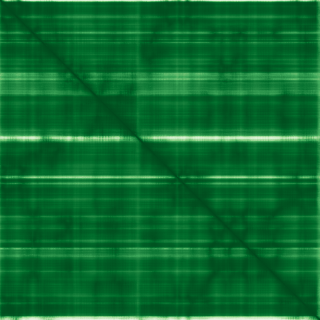
Mean pLDDT
95.3/ 100
Very high
477 residues
Confidence breakdown
- Very high(≥ 90)91%
- Confident(70–90)7%
- Low(50–70)2%
- Very low(< 50)0%
Open interactive 3D viewer
AlphaFold (Jumper et al., 2021) · CC BY 4.0
protoporphyrinogen oxidase
Annotations refreshed 3 months ago.
Diagnostic Grade (Green)
Cutaneous photosensitivity with a likely genetic cause
BOTH monoallelic and biallelic, autosomal or pseudoautosomalEarly onset or syndromic epilepsy
BIALLELIC, autosomal or pseudoautosomalHereditary neuropathy
BIALLELIC, autosomal or pseudoautosomalHereditary neuropathy or pain disorder
BIALLELIC, autosomal or pseudoautosomalIntellectual disability
BIALLELIC, autosomal or pseudoautosomalLikely inborn error of metabolism
BOTH monoallelic and biallelic (but BIALLELIC mutations cause a more SEVERE disease form), autosomal or pseudoautosomalMitochondrial disorders
BOTH monoallelic and biallelic (but BIALLELIC mutations cause a more SEVERE disease form), autosomal or pseudoautosomalNon-acute porphyrias
BOTH monoallelic and biallelic, autosomal or pseudoautosomal+6 more panels — install the extension to see the full list inline on any page.
variegate porphyria
variegate porphyria, childhood-onset
Porphyria variegata
neurodegenerative disease
Abnormal blistering of the skin
hereditary disease
Abnormal urinary color
Constipation
migraine disorder
Abdominal colic
Score is the Open Targets composite evidence score (0-1). Higher = stronger gene-disease association.
Protoporphyrinogen oxidase
Catalyzes the 6-electron oxidation of protoporphyrinogen-IX to form protoporphyrin-IX
PPOX · P50336
Mean pLDDT
95.3/ 100
Very high
477 residues
Confidence breakdown
AlphaFold (Jumper et al., 2021) · CC BY 4.0