
AlphaFold predicted structure
PSAT1 · Q9Y617
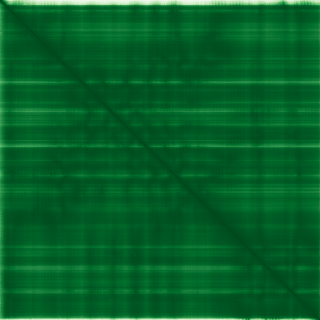
Mean pLDDT
97.1/ 100
Very high
370 residues
Confidence breakdown
- Very high(≥ 90)97%
- Confident(70–90)1%
- Low(50–70)1%
- Very low(< 50)0%
Open interactive 3D viewer
AlphaFold (Jumper et al., 2021) · CC BY 4.0
phosphoserine aminotransferase 1
Annotations refreshed 2 months ago.
Diagnostic Grade (Green)
DDG2P
BIALLELIC, autosomal or pseudoautosomalFetal anomalies
BIALLELIC, autosomal or pseudoautosomalLikely inborn error of metabolism
BIALLELIC, autosomal or pseudoautosomalSkeletal dysplasia
BIALLELIC, autosomal or pseudoautosomalUndiagnosed metabolic disorders
BIALLELIC, autosomal or pseudoautosomalEarly onset or syndromic epilepsy
Childhood onset dystonia, chorea or related movement disorder
Clefting
BIALLELIC, autosomal or pseudoautosomal+2 more panels — install the extension to see the full list inline on any page.
Neu-Laxova syndrome 2
Phosphoserine aminotransferase deficiency
Neu-Laxova syndrome
PSAT deficiency
neurometabolic disorder due to serine deficiency
Neu-Laxova syndrome 1
type 2 diabetes mellitus
smoking initiation
heart disorder
bronchial disorder
Score is the Open Targets composite evidence score (0-1). Higher = stronger gene-disease association.
Phosphoserine aminotransferase
Involved in L-serine biosynthesis via the phosphorylated pathway, a three-step pathway converting the glycolytic intermediate 3-phospho-D-glycerate into L-serine (PubMed:36851825, PubMed:37627284). Catalyzes the second step, that is the pyridoxal 5'-phosphate-dependent transamination of 3-phosphohydroxypyruvate and L-glutamate to O-phosphoserine (OPS) and alpha-ketoglutarate (PubMed:36851825, PubMed:37627284). Acts as an inhibitor of ferroptosis in response to interferon-gamma (IFNG) by promoting GPX4 stability: following phosphorylation by CAMK2A, PSAT1 interacts with GPX4 and provides 2-oxoglutarate to EGLN3, leading to GPX4 hydroxylation and stability (PubMed:40281343)
PSAT1 · Q9Y617
Mean pLDDT
97.1/ 100
Very high
370 residues
Confidence breakdown
AlphaFold (Jumper et al., 2021) · CC BY 4.0