
AlphaFold predicted structure
PSPH · P78330
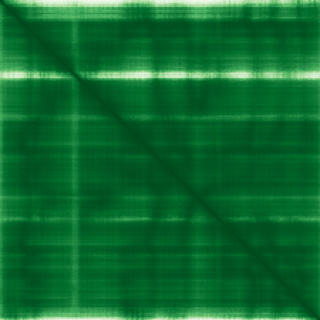
Mean pLDDT
92.8/ 100
Very high
225 residues
Confidence breakdown
- Very high(≥ 90)81%
- Confident(70–90)16%
- Low(50–70)3%
- Very low(< 50)0%
Open interactive 3D viewer
AlphaFold (Jumper et al., 2021) · CC BY 4.0
phosphoserine phosphatase
Annotations refreshed 2 months ago.
Diagnostic Grade (Green)
DDG2P
BIALLELIC, autosomal or pseudoautosomalFetal anomalies
BIALLELIC, autosomal or pseudoautosomalIntellectual disability
BIALLELIC, autosomal or pseudoautosomalSkeletal dysplasia
BIALLELIC, autosomal or pseudoautosomalEarly onset or syndromic epilepsy
BIALLELIC, autosomal or pseudoautosomalLikely inborn error of metabolism
BIALLELIC, autosomal or pseudoautosomalUndiagnosed metabolic disorders
BIALLELIC, autosomal or pseudoautosomalChildhood onset dystonia, chorea or related movement disorder
PSPH deficiency
3-phosphoserine phosphatase deficiency
neurodegenerative disease
Neu-Laxova syndrome 1
Neu-Laxova syndrome
peripheral neuropathy
neurometabolic disorder due to serine deficiency
hereditary disease
intracranial hemorrhage
autonomic nervous system disorder
Score is the Open Targets composite evidence score (0-1). Higher = stronger gene-disease association.
Phosphoserine phosphatase
Catalyzes the last irreversible step in the biosynthesis of L-serine from carbohydrates, the dephosphorylation of O-phospho-L-serine to L-serine (PubMed:12213811, PubMed:14673469, PubMed:15291819, PubMed:25080166, PubMed:9222972). L-serine can then be used in protein synthesis, to produce other amino acids, in nucleotide metabolism or in glutathione synthesis, or can be racemized to D-serine, a neuromodulator (PubMed:14673469). May also act on O-phospho-D-serine (Probable)
PSPH · P78330
Mean pLDDT
92.8/ 100
Very high
225 residues
Confidence breakdown
AlphaFold (Jumper et al., 2021) · CC BY 4.0