Skip to content
GenoLensGenoLens

PTCH2

Chr 1p34.1

patched 2

Aliases:
SLC65B2
MANE:
ENST00000372192.4

Annotations refreshed 1 month ago.

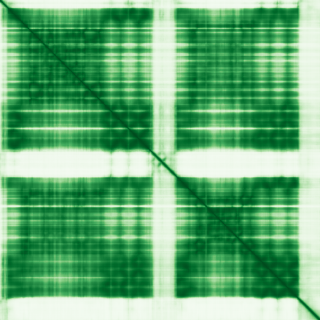
Predicted protein structure

Clinical relevance (Genomics England PanelApp)

Moderate Evidence (Amber)

  • Genodermatoses with malignancies

  • Hydrocephalus

    MONOALLELIC, autosomal or pseudoautosomal, imprinted status unknown
  • Multiple monogenic benign skin tumours

    MONOALLELIC, autosomal or pseudoautosomal, NOT imprinted

Disease associations (Open Targets)

  • nevoid basal cell carcinoma syndrome

    0.54
  • neurodegenerative disease

    0.43
  • basal cell carcinoma

    0.39
  • lateral facial cleft

    0.37
  • commissural facial cleft

    0.37
  • hypothyroidism

    0.32
  • Abnormality of the skeletal system

    0.32
  • stroke disorder

    0.30
  • alcohol drinking

    0.30
  • hereditary breast carcinoma

    0.27

Score is the Open Targets composite evidence score (0-1). Higher = stronger gene-disease association.

Protein function (UniProt)

Protein patched homolog 2

Negative regulator of the smoothened signaling pathway, which acts as a receptor for hedgehog (SHH, IHH and DHH) morphogens (PubMed:9811851). In absence of hedgehog, acts as an inhibitor of smoothened protein (SMO) by preventing SMO access to cholesterol: mechanistically, acts as a cholesterol transporter, which depeletes cholesterol from the outer leaflet of plasma membrane, thereby preventing cholesterol-binding to the extracellular CRD region of SMO. Hedgehog-binding inhibits PTCH1 cholesterol transporter activity, promoting SMO activation by cholesterol and transduction of the smoothened signaling pathway. Molecular mechanism governing cholesterol transport are still unclear: may move cholesterol from the outer to the inner leaflet of the membrane in exchange for potassium or sodium ion export in the opposite direction (By similarity). In contrast to PTCH1 ortholog, PTCH2 is not essential for viability and plays a more limited role. Plays a role in epidermal homeostasis in mature skin (By similarity). Plays a role in the control of cellular growth (PubMed:18285427)

Data sources: HGNC (CC BY 4.0), AlphaFold (CC BY 4.0, Jumper et al. Nature 2021), Genomics England PanelApp (CC BY 4.0), ClinGen, Open Targets (CC0), UniProt.

Not for sole clinical decision-making. Always verify against primary sources.