
AlphaFold predicted structure
PTHLH · P12272
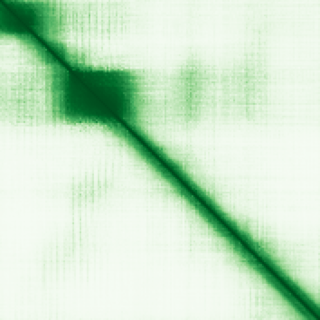
Mean pLDDT
62.9/ 100
Low
177 residues
Confidence breakdown
- Very high(≥ 90)16%
- Confident(70–90)12%
- Low(50–70)50%
- Very low(< 50)22%
Open interactive 3D viewer
AlphaFold (Jumper et al., 2021) · CC BY 4.0
parathyroid hormone like hormone
Annotations refreshed 3 months ago.
Diagnostic Grade (Green)
DDG2P
MONOALLELIC, autosomal or pseudoautosomal, imprinted status unknownFetal anomalies
MONOALLELIC, autosomal or pseudoautosomal, imprinted status unknownLimb disorders
MONOALLELIC, autosomal or pseudoautosomal, NOT imprintedSkeletal dysplasia
MONOALLELIC, autosomal or pseudoautosomal, NOT imprintedIntellectual disability
MONOALLELIC, autosomal or pseudoautosomal, imprinted status unknownVACTERL-like phenotypes
brachydactyly type E
Abnormality of the skeletal system
breast carcinoma
breast neoplasm
breast cancer
androgenetic alopecia
brachydactyly
cancer
open-angle glaucoma
hereditary disease
Score is the Open Targets composite evidence score (0-1). Higher = stronger gene-disease association.
Parathyroid hormone-related protein
Neuroendocrine peptide which is a critical regulator of cellular and organ growth, development, migration, differentiation and survival and of epithelial calcium ion transport (PubMed:12538599, PubMed:35932760, PubMed:3616618). Acts by binding to its receptor, PTH1R, activating G protein-coupled receptor signaling (PubMed:19674967, PubMed:35932760). Regulates endochondral bone development and epithelial-mesenchymal interactions during the formation of the mammary glands and teeth (By similarity). Required for skeletal homeostasis (PubMed:12538599). Promotes mammary mesenchyme differentiation and bud outgrowth by modulating mesenchymal cell responsiveness to BMPs (PubMed:12538599). Up-regulates BMPR1A expression in the mammary mesenchyme and this increases the sensitivity of these cells to BMPs and allows them to respond to BMP4 in a paracrine and/or autocrine fashion (By similarity). BMP4 signaling in the mesenchyme, in turn, triggers epithelial outgrowth and augments MSX2 expression, which causes the mammary mesenchyme to inhibit hair follicle formation within the nipple sheath (By similarity). Promotes colon cancer cell migration and invasion in an integrin alpha-6/beta-1-dependent manner through activation of Rac1 (PubMed:20637541)
PTHLH · P12272
Mean pLDDT
62.9/ 100
Low
177 residues
Confidence breakdown
AlphaFold (Jumper et al., 2021) · CC BY 4.0