AlphaFold predicted structure
PTPMT1 · Q8WUK0
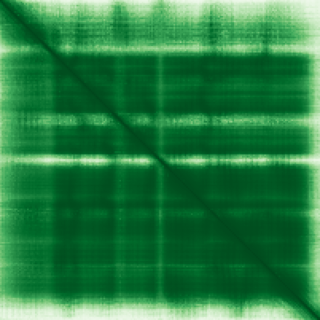
Mean pLDDT
91.5/ 100
Very high
201 residues
Confidence breakdown
- Very high(≥ 90)71%
- Confident(70–90)25%
- Low(50–70)3%
- Very low(< 50)2%
AlphaFold (Jumper et al., 2021) · CC BY 4.0
protein tyrosine phosphatase mitochondrial 1
Annotations refreshed 9 hours ago.
Moderate Evidence (Amber)
Ataxia and cerebellar anomalies - narrow panel
BIALLELIC, autosomal or pseudoautosomalEarly onset or syndromic epilepsy
BIALLELIC, autosomal or pseudoautosomalIntellectual disability
BIALLELIC, autosomal or pseudoautosomalLikely inborn error of metabolism
BIALLELIC, autosomal or pseudoautosomalMitochondrial disorders
BIALLELIC, autosomal or pseudoautosomalPossible mitochondrial disorder - nuclear genes
BIALLELIC, autosomal or pseudoautosomalSevere microcephaly
BIALLELIC, autosomal or pseudoautosomalneurodegenerative disease
neurodevelopmental disorder with ataxia and brain abnormalities
neurodevelopmental disorder
hypertrophic cardiomyopathy
Hypercholesterolemia
open-angle glaucoma
glaucoma
hypertensive disorder
cancer
coronary artery disorder
Score is the Open Targets composite evidence score (0-1). Higher = stronger gene-disease association.
Phosphatidylglycerophosphatase and protein-tyrosine phosphatase 1
Lipid phosphatase which dephosphorylates phosphatidylglycerophosphate (PGP) to phosphatidylglycerol (PG) (By similarity). PGP is an essential intermediate in the biosynthetic pathway of cardiolipin, a mitochondrial-specific phospholipid regulating the membrane integrity and activities of the organelle (PubMed:39279645). Has also been shown to display phosphatase activity toward phosphoprotein substrates, specifically mediates dephosphorylation of mitochondrial proteins, thereby playing an essential role in ATP production (By similarity). Has probably a preference for proteins phosphorylated on Ser and/or Thr residues compared to proteins phosphorylated on Tyr residues (By similarity). Probably involved in regulation of insulin secretion in pancreatic beta cells (By similarity). Prevents intrinsic apoptosis, by regulating mitochondrial membrane integrity (PubMed:24709986, PubMed:39279645)
PTPMT1 · Q8WUK0

Mean pLDDT
91.5/ 100
Very high
201 residues
Confidence breakdown
AlphaFold (Jumper et al., 2021) · CC BY 4.0