Skip to content
GenoLensGenoLens

PTPRC

Chr 1q31.3-q32.1

protein tyrosine phosphatase receptor type C

Aliases:
LCA, T200, GP180, LY5, B220
MANE:
ENST00000442510.8

Annotations refreshed 9 hours ago.

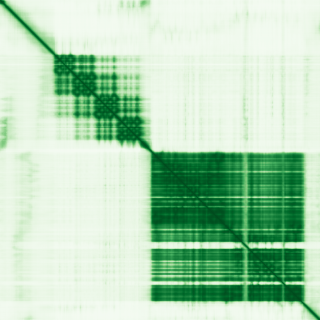
Predicted protein structure

Clinical relevance (Genomics England PanelApp)

Diagnostic Grade (Green)

  • COVID-19 research

    BIALLELIC, autosomal or pseudoautosomal
  • Primary immunodeficiency or monogenic inflammatory bowel disease

    BIALLELIC, autosomal or pseudoautosomal

Disease associations (Open Targets)

  • immunodeficiency 104

    0.71
  • immunodeficiency 105

    0.67
  • T-B+ severe combined immunodeficiency due to JAK3 deficiency

    0.57
  • T-B+ severe combined immunodeficiency due to CD45 deficiency

    0.55
  • asthma

    0.51
  • Omenn syndrome

    0.47
  • T-B+ severe combined immunodeficiency

    0.46
  • T-B- severe combined immunodeficiency

    0.46
  • respiratory system disorder

    0.42
  • Graves disease

    0.41

Score is the Open Targets composite evidence score (0-1). Higher = stronger gene-disease association.

Protein function (UniProt)

Receptor-type tyrosine-protein phosphatase C

Protein tyrosine-protein phosphatase required for T-cell activation through the antigen receptor (PubMed:35767951). Acts as a positive regulator of T-cell coactivation upon binding to DPP4. The first PTPase domain has enzymatic activity, while the second one seems to affect the substrate specificity of the first one. Upon T-cell activation, recruits and dephosphorylates SKAP1 and FYN. Dephosphorylates LYN, and thereby modulates LYN activity (By similarity). Interacts with CLEC10A at antigen presenting cell-T cell contact; CLEC10A on immature dendritic cells recognizes Tn antigen-carrying PTPRC/CD45 receptor on effector T cells and modulates T cell activation threshold to limit autoreactivity

Data sources: HGNC (CC BY 4.0), AlphaFold (CC BY 4.0, Jumper et al. Nature 2021), Genomics England PanelApp (CC BY 4.0), ClinGen, Open Targets (CC0), UniProt.

Not for sole clinical decision-making. Always verify against primary sources.