Skip to content
GenoLensGenoLens

RAB27A

Chr 15q21.3

RAB27A, member RAS oncogene family

Aliases:
RAB27, RAM, GS2, HsT18676
MANE:
ENST00000336787.6

Annotations refreshed 10 hours ago.

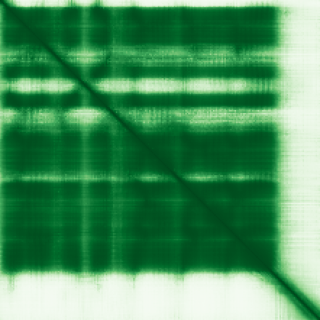
Predicted protein structure

Clinical relevance (Genomics England PanelApp)

Diagnostic Grade (Green)

  • Albinism or congenital nystagmus

    BIALLELIC, autosomal or pseudoautosomal
  • COVID-19 research

    BIALLELIC, autosomal or pseudoautosomal
  • Pigmentary skin disorders

    BIALLELIC, autosomal or pseudoautosomal
  • Primary immunodeficiency or monogenic inflammatory bowel disease

    BIALLELIC, autosomal or pseudoautosomal
  • Vici Syndrome and other autophagy disorders

    BIALLELIC, autosomal or pseudoautosomal
  • Intellectual disability

Disease associations (Open Targets)

  • Griscelli syndrome type 2

    0.81
  • Griscelli disease

    0.73
  • Griscelli disease type 2

    0.73
  • Griscelli syndrome

    0.50
  • autoinflammatory syndrome

    0.50
  • hereditary disease

    0.45
  • acrocephalopolydactyly

    0.37
  • complex regional pain syndrome

    0.32
  • Increased total eosinophil count

    0.26
  • CINCA syndrome

    0.18

Score is the Open Targets composite evidence score (0-1). Higher = stronger gene-disease association.

Protein function (UniProt)

Ras-related protein Rab-27A

The small GTPases Rab are key regulators of intracellular membrane trafficking, from the formation of transport vesicles to their fusion with membranes. Rabs cycle between an inactive GDP-bound form and an active GTP-bound form that is able to recruit to membranes different sets of downstream effectors directly responsible for vesicle formation, movement, tethering and fusion (PubMed:30771381). RAB27A regulates homeostasis of late endocytic pathway, including endosomal positioning, maturation and secretion (PubMed:30771381). Plays a role in cytotoxic granule exocytosis in lymphocytes. Required for both granule maturation and granule docking and priming at the immunologic synapse (PubMed:18812475)

Data sources: HGNC (CC BY 4.0), AlphaFold (CC BY 4.0, Jumper et al. Nature 2021), Genomics England PanelApp (CC BY 4.0), ClinGen, Open Targets (CC0), UniProt.

Not for sole clinical decision-making. Always verify against primary sources.