Skip to content
GenoLensGenoLens

RAB32

Chr 6q24.3

RAB32, member RAS oncogene family

MANE:
ENST00000367495.4

Annotations refreshed 9 hours ago.

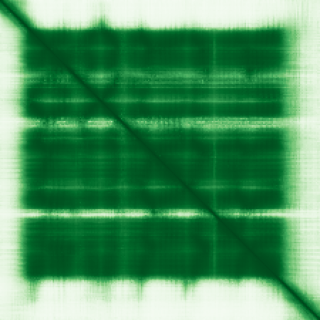
Predicted protein structure

Clinical relevance (Genomics England PanelApp)

Diagnostic Grade (Green)

  • Adult onset neurodegenerative disorder

    MONOALLELIC, autosomal or pseudoautosomal, NOT imprinted

Disease associations (Open Targets)

  • neurodegenerative disease

    0.45
  • Abnormality of skin pigmentation

    0.39
  • fragile X syndrome

    0.33
  • cardiomyopathy

    0.29
  • skin neoplasm

    0.15
  • malunion fracture

    0.13
  • ovarian dysfunction

    0.11
  • esophageal disorder

    0.11
  • glioblastoma

    0.10
  • leprosy

    0.10

Score is the Open Targets composite evidence score (0-1). Higher = stronger gene-disease association.

Protein function (UniProt)

Ras-related protein Rab-32

The small GTPases Rab are key regulators of intracellular membrane trafficking, from the formation of transport vesicles to their fusion with membranes (PubMed:11784320, PubMed:21808068). Rabs cycle between an inactive GDP-bound form and an active GTP-bound form that is able to recruit to membranes different set of downstream effectors directly responsible for vesicle formation, movement, tethering and fusion (PubMed:11784320). Also acts as an A-kinase anchoring protein by binding to the type II regulatory subunit of protein kinase A and anchoring it to the mitochondrion. Also involved in synchronization of mitochondrial fission (PubMed:12186851). Plays a role in the maturation of phagosomes that engulf pathogens, such as S.aureus and M.tuberculosis (PubMed:21255211). Plays an important role in the control of melanin production and melanosome biogenesis (PubMed:23084991). In concert with RAB38, regulates the proper trafficking of melanogenic enzymes TYR, TYRP1 and DCT/TYRP2 to melanosomes in melanocytes (By similarity). Stimulates phosphorylation of RAB10 'Thr-73' by LRRK2 (PubMed:38127736)

Data sources: HGNC (CC BY 4.0), AlphaFold (CC BY 4.0, Jumper et al. Nature 2021), Genomics England PanelApp (CC BY 4.0), ClinGen, Open Targets (CC0), UniProt.

Not for sole clinical decision-making. Always verify against primary sources.