AlphaFold predicted structure
RAB3A · P20336
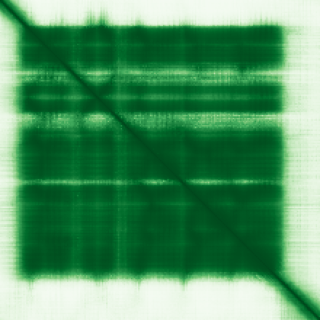
Mean pLDDT
83.1/ 100
Confident
220 residues
Confidence breakdown
- Very high(≥ 90)62%
- Confident(70–90)18%
- Low(50–70)3%
- Very low(< 50)17%
AlphaFold (Jumper et al., 2021) · CC BY 4.0
RAB3A, member RAS oncogene family
Annotations refreshed 10 hours ago.
Diagnostic Grade (Green)
Ataxia and cerebellar anomalies - narrow panel
MONOALLELIC, autosomal or pseudoautosomal, NOT imprintedHereditary ataxia
MONOALLELIC, autosomal or pseudoautosomal, NOT imprintedHereditary ataxia with onset in adulthood
MONOALLELIC, autosomal or pseudoautosomal, NOT imprintedIntellectual disability
MONOALLELIC, autosomal or pseudoautosomal, NOT imprintedneurodegenerative disease
hepatocellular carcinoma
non-small cell lung carcinoma
obesity disorder
neoplasm
overnutrition
central nervous system cancer
Parkinson disease
Alzheimer disease
glioblastoma
Score is the Open Targets composite evidence score (0-1). Higher = stronger gene-disease association.
Ras-related protein Rab-3A
The small GTPases Rab are key regulators of intracellular membrane trafficking, from the formation of transport vesicles to their fusion with membranes (PubMed:2501306). Rabs cycle between an inactive GDP-bound form and an active GTP-bound form that is able to recruit to membranes different sets of downstream effectors directly responsible for vesicle formation, movement, tethering and fusion (PubMed:2501306). RAB3A plays a central role in regulated exocytosis and secretion. Controls the recruitment, tethering and docking of secretory vesicles to the plasma membrane (PubMed:2501306). Upon stimulation, switches to its active GTP-bound form, cycles to vesicles and recruits effectors such as RIMS1, RIMS2, Rabphilin-3A/RPH3A, RPH3AL or SYTL4 to help the docking of vesicules onto the plasma membrane (By similarity). Upon GTP hydrolysis by GTPase-activating protein, dissociates from the vesicle membrane allowing the exocytosis to proceed (By similarity). Stimulates insulin secretion through interaction with RIMS2 or RPH3AL effectors in pancreatic beta cells (By similarity). Regulates calcium-dependent lysosome exocytosis and plasma membrane repair (PMR) via the interaction with 2 effectors, SYTL4 and myosin-9/MYH9 (PubMed:27325790). Acts as a positive regulator of acrosome content secretion in sperm cells by interacting with RIMS1 (PubMed:22248876, PubMed:30599141). Also plays a role in the regulation of dopamine release by interacting with synaptotagmin I/SYT (By similarity)
RAB3A · P20336

Mean pLDDT
83.1/ 100
Confident
220 residues
Confidence breakdown
AlphaFold (Jumper et al., 2021) · CC BY 4.0