
AlphaFold predicted structure
RAB7A · P51149
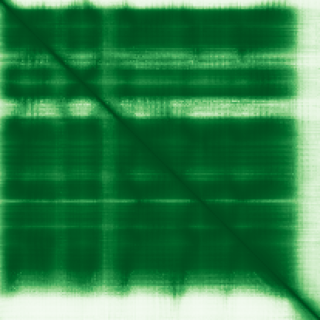
Mean pLDDT
88.7/ 100
Confident
207 residues
Confidence breakdown
- Very high(≥ 90)70%
- Confident(70–90)18%
- Low(50–70)9%
- Very low(< 50)3%
Open interactive 3D viewer
AlphaFold (Jumper et al., 2021) · CC BY 4.0
RAB7A, member RAS oncogene family
Annotations refreshed 2 months ago.
Diagnostic Grade (Green)
Hereditary neuropathy
MONOALLELIC, autosomal or pseudoautosomal, imprinted status unknownHereditary neuropathy or pain disorder
MONOALLELIC, autosomal or pseudoautosomal, imprinted status unknownPain syndromes
MONOALLELIC, autosomal or pseudoautosomal, imprinted status unknownParoxysmal central nervous system disorders
MONOALLELIC, autosomal or pseudoautosomal, imprinted status unknownAutosomal dominant Charcot-Marie-Tooth disease type 2B
Charcot-Marie-Tooth disease type 2B
neurodegenerative disease
Parkinson disease
tuberculosis
Alzheimer disease
lysosomal storage disease
multiple sclerosis
autoimmune disorder of central nervous system
Charcot-Marie-Tooth disease type 2
Score is the Open Targets composite evidence score (0-1). Higher = stronger gene-disease association.
Ras-related protein Rab-7a
The small GTPases Rab are key regulators of intracellular membrane trafficking, from the formation of transport vesicles to their fusion with membranes. Rabs cycle between an inactive GDP-bound form and an active GTP-bound form that is able to recruit to membranes different sets of downstream effectors directly responsible for vesicle formation, movement, tethering and fusion (PubMed:38538795). In its active state, RAB7A binds to a variety of effector proteins playing a key role in the regulation of endo-lysosomal trafficking. Governs early-to-late endosomal maturation, microtubule minus-end as well as plus-end directed endosomal migration and positioning, and endosome-lysosome transport through different protein-protein interaction cascades. Also plays a central role in growth-factor-mediated cell signaling, nutrient-transportor mediated nutrient uptake, neurotrophin transport in the axons of neurons and lipid metabolism. Also involved in regulation of some specialized endosomal membrane trafficking, such as maturation of melanosomes, pathogen-induced phagosomes (or vacuoles) and autophagosomes. Plays a role in the maturation and acidification of phagosomes that engulf pathogens, such as S.aureus and M.tuberculosis. Plays a role in the fusion of phagosomes with lysosomes. In concert with RAC1, plays a role in regulating the formation of RBs (ruffled borders) in osteoclasts. Controls the endosomal trafficking and neurite outgrowth signaling of NTRK1/TRKA (PubMed:11179213, PubMed:12944476, PubMed:14617358, PubMed:20028791, PubMed:21255211). Regulates the endocytic trafficking of the EGF-EGFR complex by regulating its lysosomal degradation. Involved in the ADRB2-stimulated lipolysis through lipophagy, a cytosolic lipase-independent autophagic pathway (By similarity). Required for the exosomal release of SDCBP, CD63 and syndecan (PubMed:22660413). Required for vesicular trafficking and cell surface expression of ACE2 (PubMed:33147445). May play a role in PRPH neuronal intermediate filament assembly (By similarity)
Curated MONDO disease pages that list RAB7A among their top associated genes.
RAB7A · P51149
Mean pLDDT
88.7/ 100
Confident
207 residues
Confidence breakdown
AlphaFold (Jumper et al., 2021) · CC BY 4.0