Skip to content
GenoLensGenoLens

RAD51D

Chr 17q12

RAD51 paralog D

Aliases:
R51H3, Trad, HsTRAD
MANE:
ENST00000345365.11

Annotations refreshed 10 hours ago.

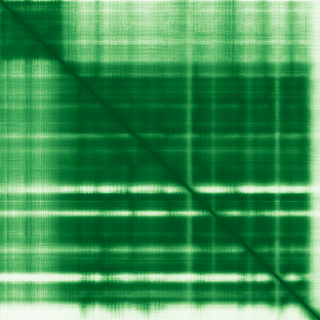
Predicted protein structure

Clinical relevance (Genomics England PanelApp)

Diagnostic Grade (Green)

  • Adult solid tumours cancer susceptibility

    MONOALLELIC, autosomal or pseudoautosomal, NOT imprinted
  • Adult solid tumours for rare disease

    MONOALLELIC, autosomal or pseudoautosomal, NOT imprinted
  • Familial breast cancer

    MONOALLELIC, autosomal or pseudoautosomal, NOT imprinted
  • Inherited breast cancer and ovarian cancer

    MONOALLELIC, autosomal or pseudoautosomal, imprinted status unknown
  • Inherited ovarian cancer (without breast cancer)

    MONOALLELIC, autosomal or pseudoautosomal, NOT imprinted
  • Ovarian cancer pertinent cancer susceptibility

    MONOALLELIC, autosomal or pseudoautosomal, NOT imprinted

Disease associations (Open Targets)

  • Hereditary breast and ovarian cancer syndrome

    0.76
  • ovarian cancer

    0.66
  • hereditary breast ovarian cancer syndrome

    0.66
  • ovarian carcinoma

    0.62
  • RAD51D-related cancer predisposition

    0.59
  • hereditary neoplastic syndrome

    0.58
  • Inherited cancer-predisposing syndrome

    0.58
  • gastric cancer

    0.54
  • cancer

    0.54
  • familial ovarian cancer

    0.53

Score is the Open Targets composite evidence score (0-1). Higher = stronger gene-disease association.

Protein function (UniProt)

DNA repair protein RAD51 homolog 4

Involved in the homologous recombination repair (HRR) pathway of double-stranded DNA breaks arising during DNA replication or induced by DNA-damaging agents. Bind to single-stranded DNA (ssDNA) and has DNA-dependent ATPase activity. Part of the RAD51 paralog protein complex BCDX2 which acts in the BRCA1-BRCA2-dependent HR pathway. Upon DNA damage, BCDX2 acts downstream of BRCA2 recruitment and upstream of RAD51 recruitment. BCDX2 binds predominantly to the intersection of the four duplex arms of the Holliday junction and to junction of replication forks. The BCDX2 complex was originally reported to bind single-stranded DNA, single-stranded gaps in duplex DNA and specifically to nicks in duplex DNA. Involved in telomere maintenance. The BCDX2 subcomplex XRCC2:RAD51D can stimulate Holliday junction resolution by BLM

Curated MONDO disease pages that list RAD51D among their top associated genes.

Data sources: HGNC (CC BY 4.0), AlphaFold (CC BY 4.0, Jumper et al. Nature 2021), Genomics England PanelApp (CC BY 4.0), ClinGen, Open Targets (CC0), UniProt.

Not for sole clinical decision-making. Always verify against primary sources.