
AlphaFold predicted structure
RAP1B · P61224
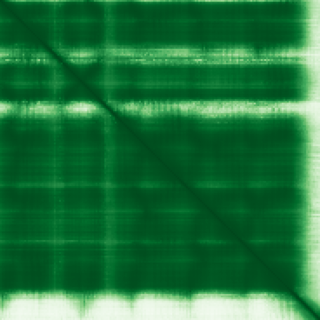
Mean pLDDT
92.3/ 100
Very high
184 residues
Confidence breakdown
- Very high(≥ 90)80%
- Confident(70–90)11%
- Low(50–70)7%
- Very low(< 50)2%
Open interactive 3D viewer
AlphaFold (Jumper et al., 2021) · CC BY 4.0
RAP1B, member of RAS oncogene family
Annotations refreshed 3 months ago.
Diagnostic Grade (Green)
Cytopenia - NOT Fanconi anaemia
MONOALLELIC, autosomal or pseudoautosomal, NOT imprintedCytopenias and congenital anaemias
MONOALLELIC, autosomal or pseudoautosomal, imprinted status unknownFetal anomalies
MONOALLELIC, autosomal or pseudoautosomal, NOT imprintedIntellectual disability
MONOALLELIC, autosomal or pseudoautosomal, NOT imprintedBleeding and platelet disorders
MONOALLELIC, autosomal or pseudoautosomal, NOT imprintedMonogenic short stature
MONOALLELIC, autosomal or pseudoautosomal, imprinted status unknownDDG2P
MONOALLELIC, autosomal or pseudoautosomal, imprinted status unknownKabuki syndrome
MONOALLELIC, autosomal or pseudoautosomal, NOT imprinted+1 more panels — install the extension to see the full list inline on any page.
thrombocytopenia 11 with multiple congenital anomalies and dysmorphic facies
cancer
Noonan syndrome
syndromic intellectual disability
neurodegenerative disease
hypertrophic cardiomyopathy
Costello syndrome
cardiofaciocutaneous syndrome
protozoa infectious disease
placental retention
Score is the Open Targets composite evidence score (0-1). Higher = stronger gene-disease association.
Ras-related protein Rap-1b
GTP-binding protein that possesses intrinsic GTPase activity. Contributes to the polarizing activity of KRIT1 and CDH5 in the establishment and maintenance of correct endothelial cell polarity and vascular lumen. Required for the localization of phosphorylated PRKCZ, PARD3 and TIAM1 to the cell junction. Plays a role in the establishment of basal endothelial barrier function
RAP1B · P61224
Mean pLDDT
92.3/ 100
Very high
184 residues
Confidence breakdown
AlphaFold (Jumper et al., 2021) · CC BY 4.0