
AlphaFold predicted structure
RDH12 · Q96NR8
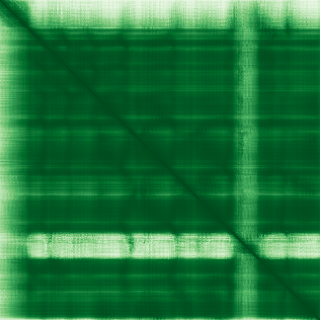
Mean pLDDT
92.4/ 100
Very high
316 residues
Confidence breakdown
- Very high(≥ 90)81%
- Confident(70–90)11%
- Low(50–70)9%
- Very low(< 50)0%
Open interactive 3D viewer
AlphaFold (Jumper et al., 2021) · CC BY 4.0
retinol dehydrogenase 12
Annotations refreshed 2 months ago.
Diagnostic Grade (Green)
Retinal disorders
BOTH monoallelic and biallelic, autosomal or pseudoautosomalGlaucoma (developmental)
Ophthalmological ciliopathies
Primary ciliary disorders
Rare multisystem ciliopathy disorders
Skeletal dysplasia
Structural eye disease
BIALLELIC, autosomal or pseudoautosomalThoracic dystrophies
Leber congenital amaurosis
retinitis pigmentosa
Leber congenital amaurosis 13
Retinal dystrophy
Cone rod dystrophy
cone-rod dystrophy
Macular dystrophy
retinitis pigmentosa 53
Posterior column ataxia - retinitis pigmentosa
Abnormality of the eye
Score is the Open Targets composite evidence score (0-1). Higher = stronger gene-disease association.
Retinol dehydrogenase 12
Retinoids dehydrogenase/reductase with a clear preference for NADP. Displays high activity towards 9-cis, 11-cis and all-trans-retinal. Shows very weak activity towards 13-cis-retinol (PubMed:12226107, PubMed:15865448). Also exhibits activity, albeit with lower affinity than for retinaldehydes, towards lipid peroxidation products (C9 aldehydes) such as 4-hydroxynonenal and trans-2-nonenal (PubMed:15865448, PubMed:19686838). May play an important function in photoreceptor cells to detoxify 4-hydroxynonenal and potentially other toxic aldehyde products resulting from lipid peroxidation (PubMed:19686838). Has no dehydrogenase activity towards steroids (PubMed:12226107, PubMed:15865448)
Curated MONDO disease pages that list RDH12 among their top associated genes.
RDH12 · Q96NR8
Mean pLDDT
92.4/ 100
Very high
316 residues
Confidence breakdown
AlphaFold (Jumper et al., 2021) · CC BY 4.0