AlphaFold predicted structure
REXO2 · Q9Y3B8
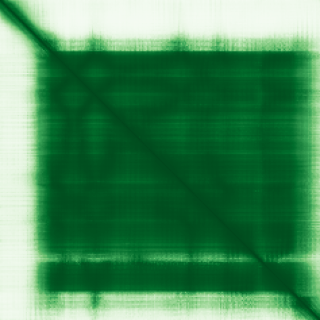
Mean pLDDT
88.2/ 100
Confident
237 residues
Confidence breakdown
- Very high(≥ 90)73%
- Confident(70–90)10%
- Low(50–70)11%
- Very low(< 50)7%
AlphaFold (Jumper et al., 2021) · CC BY 4.0
RNA exonuclease 2
Annotations refreshed 10 hours ago.
Moderate Evidence (Amber)
Primary immunodeficiency or monogenic inflammatory bowel disease
MONOALLELIC, autosomal or pseudoautosomal, NOT imprintedneurodegenerative disease
lysosomal storage disease
type 1 interferonopathy
Hyperlipoproteinemia type 1
hyperlipoproteinemia type V
Hyperlipoproteinemia type 5
LCAT deficiency
glioma
central nervous system cancer
amegakaryocytic thrombocytopenia, congenital, 2
Score is the Open Targets composite evidence score (0-1). Higher = stronger gene-disease association.
Oligoribonuclease, mitochondrial
3'-to-5'exoribonuclease that preferentially degrades DNA and RNA oligonucleotides composed of only two nucleotides (PubMed:23741365, PubMed:30926754, PubMed:31588022, PubMed:32365187). Binds and degrades longer oligonucleotides with a lower affinity (PubMed:30926754, PubMed:31588022, PubMed:32365187). Plays dual roles in mitochondria, scavenging nanoRNAs (small RNA oligonucleotides of <5 nucleotides) that are produced by the degradosome and clearing short RNAs that are generated by RNA processing (PubMed:30926754, PubMed:31588022, PubMed:32365187). Essential for correct initiation of mitochondrial transcription, degrading mitochondrial RNA dinucleotides to prevent RNA-primed transcription at non-canonical sites in the mitochondrial genome (PubMed:31588022). Essential for embryonic development (By similarity)
REXO2 · Q9Y3B8

Mean pLDDT
88.2/ 100
Confident
237 residues
Confidence breakdown
AlphaFold (Jumper et al., 2021) · CC BY 4.0