Skip to content
GenoLensGenoLens

RNF170

Chr 8p11.21

ring finger protein 170

Aliases:
DKFZP564A022, ADSA
MANE:
ENST00000527424.6

Annotations refreshed 10 hours ago.

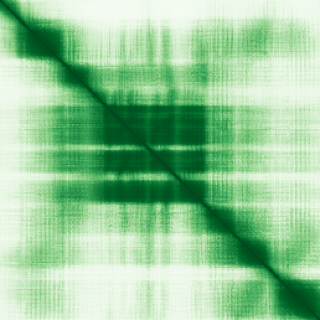
Predicted protein structure

Clinical relevance (Genomics England PanelApp)

Diagnostic Grade (Green)

  • Ataxia and cerebellar anomalies - narrow panel

    MONOALLELIC, autosomal or pseudoautosomal, imprinted status unknown
  • Childhood onset hereditary spastic paraplegia

    BIALLELIC, autosomal or pseudoautosomal
  • Hereditary ataxia

    MONOALLELIC, autosomal or pseudoautosomal, imprinted status unknown
  • Hereditary ataxia with onset in adulthood

    MONOALLELIC, autosomal or pseudoautosomal, imprinted status unknown
  • Adult onset neurodegenerative disorder

    MONOALLELIC, autosomal or pseudoautosomal, imprinted status unknown
  • Childhood onset dystonia, chorea or related movement disorder

Disease associations (Open Targets)

  • spastic paraplegia 85, autosomal recessive

    0.71
  • autosomal dominant sensory ataxia 1

    0.71
  • Spastic paraplegia

    0.42
  • neurodegenerative disease

    0.37
  • neurodevelopmental disorder

    0.34
  • hereditary disease

    0.34
  • bilirubin metabolism disease

    0.25
  • hereditary spastic paraplegia

    0.07
  • genetic developmental and epileptic encephalopathy

    0.06
  • undetermined early-onset epileptic encephalopathy

    0.06

Score is the Open Targets composite evidence score (0-1). Higher = stronger gene-disease association.

Protein function (UniProt)

E3 ubiquitin-protein ligase RNF170

E3 ubiquitin-protein ligase that plays an essential role in stimulus-induced inositol 1,4,5-trisphosphate receptor type 1 (ITPR1) ubiquitination and degradation via the endoplasmic reticulum-associated degradation (ERAD) pathway. Also involved in ITPR1 turnover in resting cells. Selectively inhibits the TLR3-triggered innate immune response by promoting the 'Lys-48'-linked polyubiquitination and degradation of TLR3 (PubMed:31076723)

Data sources: HGNC (CC BY 4.0), AlphaFold (CC BY 4.0, Jumper et al. Nature 2021), Genomics England PanelApp (CC BY 4.0), ClinGen, Open Targets (CC0), UniProt.

Not for sole clinical decision-making. Always verify against primary sources.