
AlphaFold predicted structure
RPL13 · P26373
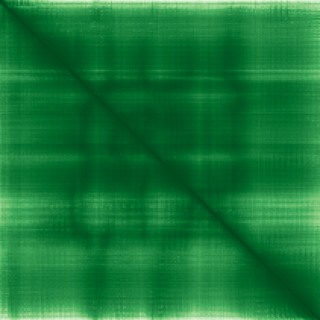
Mean pLDDT
95.4/ 100
Very high
211 residues
Confidence breakdown
- Very high(≥ 90)95%
- Confident(70–90)4%
- Low(50–70)1%
- Very low(< 50)0%
Open interactive 3D viewer
AlphaFold (Jumper et al., 2021) · CC BY 4.0
ribosomal protein L13
Annotations refreshed 3 months ago.
Diagnostic Grade (Green)
Fetal anomalies
MONOALLELIC, autosomal or pseudoautosomal, imprinted status unknownSkeletal dysplasia
MONOALLELIC, autosomal or pseudoautosomal, imprinted status unknownCytopenias and congenital anaemias
UnknownDDG2P
MONOALLELIC, autosomal or pseudoautosomal, imprinted status unknownspondyloepimetaphyseal dysplasia, Isidor-Toutain type
Duchenne muscular dystrophy
spondyloepimetaphyseal dysplasia
influenza
cystic fibrosis
spondyloepimetaphyseal dysplasia, Isidor type
neuromuscular disease caused by qualitative or quantitative defects of dystrophin
Becker muscular dystrophy
skin cancer
type 2 diabetes mellitus
Score is the Open Targets composite evidence score (0-1). Higher = stronger gene-disease association.
Large ribosomal subunit protein eL13
Component of the ribosome, a large ribonucleoprotein complex responsible for the synthesis of proteins in the cell (PubMed:23636399, PubMed:31630789, PubMed:32669547). The small ribosomal subunit (SSU) binds messenger RNAs (mRNAs) and translates the encoded message by selecting cognate aminoacyl-transfer RNA (tRNA) molecules (Probable). The large subunit (LSU) contains the ribosomal catalytic site termed the peptidyl transferase center (PTC), which catalyzes the formation of peptide bonds, thereby polymerizing the amino acids delivered by tRNAs into a polypeptide chain (Probable). The nascent polypeptides leave the ribosome through a tunnel in the LSU and interact with protein factors that function in enzymatic processing, targeting, and the membrane insertion of nascent chains at the exit of the ribosomal tunnel (Probable). As part of the LSU, it is probably required for its formation and the maturation of rRNAs (PubMed:31630789). Plays a role in bone development (PubMed:31630789)
RPL13 · P26373
Mean pLDDT
95.4/ 100
Very high
211 residues
Confidence breakdown
AlphaFold (Jumper et al., 2021) · CC BY 4.0