Skip to content
GenoLensGenoLens

RTEL1

Chr 20q13.33

regulator of telomere elongation helicase 1

Aliases:
bK3184A7.3, NHL, DKFZP434C013, KIAA1088, RTEL
MANE:
ENST00000360203.11

Annotations refreshed 1 month ago.

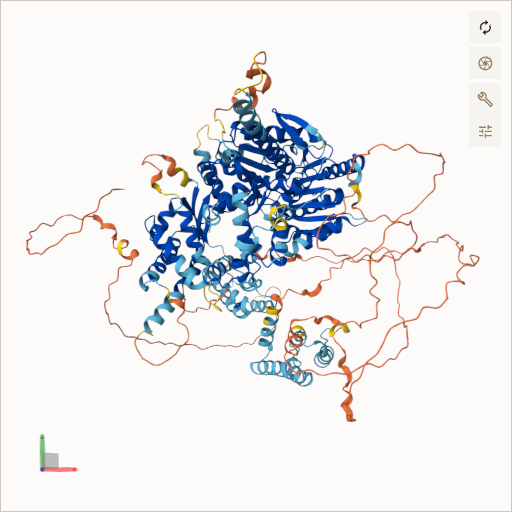
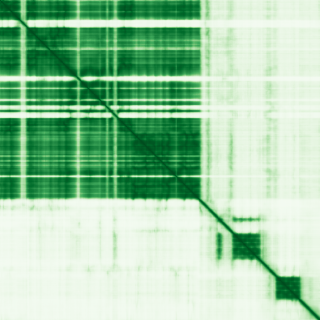
Predicted protein structure

Clinical relevance (Genomics England PanelApp)

Diagnostic Grade (Green)

  • Adult solid tumours cancer susceptibility

    BOTH monoallelic and biallelic, autosomal or pseudoautosomal
  • Childhood interstitial lung disease

    MONOALLELIC, autosomal or pseudoautosomal, NOT imprinted
  • Childhood solid tumours

    BOTH monoallelic and biallelic, autosomal or pseudoautosomal
  • COVID-19 research

    BOTH monoallelic and biallelic, autosomal or pseudoautosomal
  • Cytopenia - NOT Fanconi anaemia

    BOTH monoallelic and biallelic, autosomal or pseudoautosomal
  • Cytopenias and congenital anaemias

    BOTH monoallelic and biallelic, autosomal or pseudoautosomal
  • DDG2P

    BOTH monoallelic and biallelic, autosomal or pseudoautosomal
  • Familial pulmonary fibrosis

    MONOALLELIC, autosomal or pseudoautosomal, NOT imprinted

+12 more panels — install the extension to see the full list inline on any page.

Disease associations (Open Targets)

  • dyskeratosis congenita, autosomal recessive 5

    0.84
  • dyskeratosis congenita

    0.82
  • pulmonary fibrosis and/or bone marrow failure, Telomere-related, 3

    0.81
  • idiopathic pulmonary fibrosis

    0.73
  • pulmonary fibrosis

    0.55
  • pulmonary fibrosis and/or bone marrow failure, telomere-related

    0.50
  • Hoyeraal-Hreidarsson syndrome

    0.46
  • acute myeloid leukemia with minimal differentiation

    0.46
  • telomere syndrome

    0.45
  • dyskeratosis congenita, X-linked

    0.42

Score is the Open Targets composite evidence score (0-1). Higher = stronger gene-disease association.

Protein function (UniProt)

Regulator of telomere elongation helicase 1

A probable ATP-dependent DNA helicase implicated in telomere-length regulation, DNA repair and the maintenance of genomic stability. Acts as an anti-recombinase to counteract toxic recombination and limit crossover during meiosis. Regulates meiotic recombination and crossover homeostasis by physically dissociating strand invasion events and thereby promotes noncrossover repair by meiotic synthesis dependent strand annealing (SDSA) as well as disassembly of D loop recombination intermediates. Also disassembles T loops and prevents telomere fragility by counteracting telomeric G4-DNA structures, which together ensure the dynamics and stability of the telomere

Data sources: HGNC (CC BY 4.0), AlphaFold (CC BY 4.0, Jumper et al. Nature 2021), Genomics England PanelApp (CC BY 4.0), ClinGen, Open Targets (CC0), UniProt.

Not for sole clinical decision-making. Always verify against primary sources.