AlphaFold predicted structure
S1PR2 · O95136
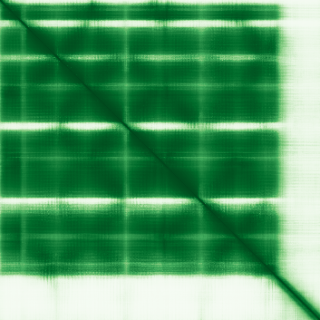
Mean pLDDT
82.6/ 100
Confident
353 residues
Confidence breakdown
- Very high(≥ 90)56%
- Confident(70–90)23%
- Low(50–70)8%
- Very low(< 50)13%
AlphaFold (Jumper et al., 2021) · CC BY 4.0
sphingosine-1-phosphate receptor 2
Annotations refreshed 1 month ago.
Diagnostic Grade (Green)
Monogenic hearing loss
BIALLELIC, autosomal or pseudoautosomalmultiple sclerosis
hearing loss, autosomal recessive
deafness
relapsing-remitting multiple sclerosis
Non-syndromic genetic deafness
primary progressive multiple sclerosis
nonsyndromic genetic hearing loss
kidney transplant
hypertensive disorder
chronic inflammatory demyelinating polyradiculoneuropathy
Score is the Open Targets composite evidence score (0-1). Higher = stronger gene-disease association.
Sphingosine 1-phosphate receptor 2
Receptor for the lysosphingolipid sphingosine 1-phosphate (S1P) (PubMed:10617617, PubMed:25274307). S1P is a bioactive lysophospholipid that elicits diverse physiological effects on most types of cells and tissues (PubMed:10617617). When expressed in rat HTC4 hepatoma cells, is capable of mediating S1P-induced cell proliferation and suppression of apoptosis (PubMed:10617617). Receptor for the chemokine-like protein FAM19A5 (PubMed:29453251). Mediates the inhibitory effect of FAM19A5 on vascular smooth muscle cell proliferation and migration (By similarity). In lymphoid follicles, couples the binding of S1P to the activation of GNA13 and downstream inhibition of AKT activation leading to suppression of germinal center (GC) B cell growth and migration outside the GC niche
Curated MONDO disease pages that list S1PR2 among their top associated genes.
S1PR2 · O95136

Mean pLDDT
82.6/ 100
Confident
353 residues
Confidence breakdown
AlphaFold (Jumper et al., 2021) · CC BY 4.0