
AlphaFold predicted structure
SCN10A · Q9Y5Y9
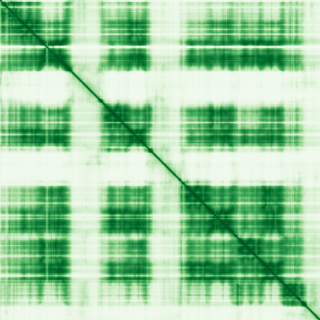
Mean pLDDT
67.3/ 100
Low
1,956 residues
Confidence breakdown
- Very high(≥ 90)12%
- Confident(70–90)48%
- Low(50–70)16%
- Very low(< 50)25%
Open interactive 3D viewer
AlphaFold (Jumper et al., 2021) · CC BY 4.0
sodium voltage-gated channel alpha subunit 10
Annotations refreshed 3 months ago.
Diagnostic Grade (Green)
Hereditary neuropathy
MONOALLELIC, autosomal or pseudoautosomal, imprinted status unknownHereditary neuropathy or pain disorder
MONOALLELIC, autosomal or pseudoautosomal, imprinted status unknownPain syndromes
MONOALLELIC, autosomal or pseudoautosomal, imprinted status unknownBrugada syndrome and cardiac sodium channel disease
UnknownPaediatric pseudo-obstruction syndrome
MONOALLELIC, autosomal or pseudoautosomal, imprinted status unknownParoxysmal central nervous system disorders
MONOALLELIC, autosomal or pseudoautosomal, imprinted status unknownShort QT syndrome
MONOALLELIC, autosomal or pseudoautosomal, imprinted status unknownepisodic pain syndrome, familial, 2
atrial fibrillation
cardiac arrhythmia
sodium channelopathy-related small fiber neuropathy
epilepsy
Pain
bipolar disorder
Seizure
major depressive disorder
migraine disorder
Score is the Open Targets composite evidence score (0-1). Higher = stronger gene-disease association.
Sodium channel protein type 10 subunit alpha
Tetrodotoxin-resistant channel that mediates the voltage-dependent sodium ion permeability of excitable membranes. Assuming opened or closed conformations in response to the voltage difference across the membrane, the protein forms a sodium-selective channel through which sodium ions may pass in accordance with their electrochemical gradient. Plays a role in neuropathic pain mechanisms
Curated MONDO disease pages that list SCN10A among their top associated genes.
SCN10A · Q9Y5Y9
Mean pLDDT
67.3/ 100
Low
1,956 residues
Confidence breakdown
AlphaFold (Jumper et al., 2021) · CC BY 4.0