
AlphaFold predicted structure
SCN9A · Q15858
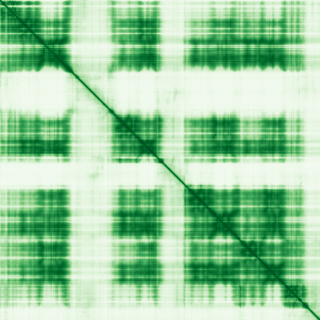
Mean pLDDT
69.1/ 100
Low
1,988 residues
Confidence breakdown
- Very high(≥ 90)18%
- Confident(70–90)45%
- Low(50–70)12%
- Very low(< 50)25%
Open interactive 3D viewer
AlphaFold (Jumper et al., 2021) · CC BY 4.0
sodium voltage-gated channel alpha subunit 9
Annotations refreshed 2 months ago.
Diagnostic Grade (Green)
Familial dysautonomia
BIALLELIC, autosomal or pseudoautosomalHereditary neuropathy
BOTH monoallelic and biallelic, autosomal or pseudoautosomalHereditary neuropathy or pain disorder
BOTH monoallelic and biallelic, autosomal or pseudoautosomalPain syndromes
BOTH monoallelic and biallelic, autosomal or pseudoautosomalVascular skin disorders
MONOALLELIC, autosomal or pseudoautosomal, NOT imprintedAdult onset dystonia, chorea or related movement disorder
BOTH monoallelic and biallelic, autosomal or pseudoautosomalAdult onset neurodegenerative disorder
BOTH monoallelic and biallelic, autosomal or pseudoautosomalBrain channelopathy
BOTH monoallelic and biallelic, autosomal or pseudoautosomal+5 more panels — install the extension to see the full list inline on any page.
primary erythermalgia
paroxysmal extreme pain disorder
channelopathy-associated congenital insensitivity to pain, autosomal recessive
hereditary sensory and autonomic neuropathy type 2
epilepsy
Seizure
Channelopathy-associated congenital insensitivity to pain
Pain
bipolar disorder
hereditary sensory and autonomic neuropathy
Score is the Open Targets composite evidence score (0-1). Higher = stronger gene-disease association.
Sodium channel protein type 9 subunit alpha
Pore-forming subunit of Nav1.7, a voltage-gated sodium (Nav) channel that directly mediates the depolarizing phase of action potentials in excitable membranes (PubMed:38381792, PubMed:40768348). Navs, also called VGSCs (voltage-gated sodium channels) or VDSCs (voltage-dependent sodium channels), operate by switching between closed and open conformations depending on the voltage difference across the membrane. In the open conformation they allow Na(+) ions to selectively pass through the pore, along their electrochemical gradient (PubMed:38381792, PubMed:40768348). The influx of Na(+) ions provokes membrane depolarization, initiating the propagation of electrical signals throughout cells and tissues (PubMed:15385606, PubMed:16988069, PubMed:17145499, PubMed:17167479, PubMed:19369487, PubMed:24311784, PubMed:25240195, PubMed:26680203, PubMed:7720699). Nav1.7 plays a crucial role in controlling the excitability and action potential propagation from nociceptor neurons, thereby contributing to the sensory perception of pain (PubMed:17145499, PubMed:17167479, PubMed:19369487, PubMed:24311784)
Curated MONDO disease pages that list SCN9A among their top associated genes.
SCN9A · Q15858
Mean pLDDT
69.1/ 100
Low
1,988 residues
Confidence breakdown
AlphaFold (Jumper et al., 2021) · CC BY 4.0