Skip to content
GenoLensGenoLens

SCYL1

Chr 11q13.1

SCY1 like pseudokinase 1

Aliases:
HT019, P105, GKLP, NKTL, TAPK
MANE:
ENST00000270176.10

Annotations refreshed 10 hours ago.

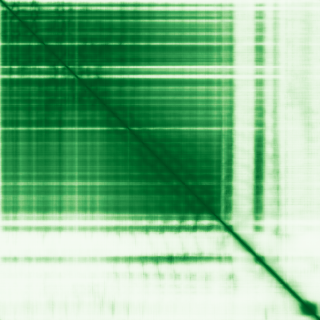
Predicted protein structure

Clinical relevance (Genomics England PanelApp)

Diagnostic Grade (Green)

  • Ataxia and cerebellar anomalies - narrow panel

    BIALLELIC, autosomal or pseudoautosomal
  • DDG2P

    BIALLELIC, autosomal or pseudoautosomal
  • Intellectual disability

    BIALLELIC, autosomal or pseudoautosomal
  • Cholestasis

    BIALLELIC, autosomal or pseudoautosomal
  • Fetal anomalies

    BIALLELIC, autosomal or pseudoautosomal
  • Hereditary ataxia with onset in adulthood

    BIALLELIC, autosomal or pseudoautosomal
  • Hereditary neuropathy

    BIALLELIC, autosomal or pseudoautosomal
  • Hereditary neuropathy or pain disorder

    BIALLELIC, autosomal or pseudoautosomal

Disease associations (Open Targets)

  • acute infantile liver failure-cerebellar ataxia-peripheral sensory motor neuropathy syndrome

    0.77
  • hereditary disease

    0.53
  • autoimmune disorder of central nervous system

    0.24
  • Parkinson disease

    0.22
  • Alzheimer disease

    0.21
  • neurodegenerative disease

    0.21
  • lysosomal storage disease

    0.21
  • multiple sclerosis

    0.21
  • acute liver failure

    0.19
  • cholestasis

    0.19

Score is the Open Targets composite evidence score (0-1). Higher = stronger gene-disease association.

Protein function (UniProt)

N-terminal kinase-like protein

Regulates COPI-mediated retrograde protein traffic at the interface between the Golgi apparatus and the endoplasmic reticulum (PubMed:18556652). Involved in the maintenance of the Golgi apparatus morphology (PubMed:26581903)

Data sources: HGNC (CC BY 4.0), AlphaFold (CC BY 4.0, Jumper et al. Nature 2021), Genomics England PanelApp (CC BY 4.0), ClinGen, Open Targets (CC0), UniProt.

Not for sole clinical decision-making. Always verify against primary sources.